Ranan Samanya Photography
fashion runways, portraits & personal branding, environment, and documentary photography
White headed Munia
A very short and quick note: I was finishing a field inspection at our sanitary landfill this afternoon when I spotted two estrildid finches having their lunch on wild reed. Quickly changed my 24-105mm at the back of the car, and took a few shots. This finch belong to the species Lonchura maja (Indonesian: pipit haji; pipit bondol; bondol haji). One of the beautiful feature of this bird is the copper-brown upper tail-coverts.
Do you notice the claws, they remind me of Aliens movies .

Jakarta 484 years: sad images from an old city
Holiday in Jakarta is not my everyday idea. So when I stopped by Jakarta early last week with my family, we decided to, for once, be a tourist. We went to the old city area just a few hundred meters walking distance from Kota train station. And it was a good decision. I actually enjoyed the scenery and the atmosphere. The old city area was actually the center of Batavia administration established by the Dutch in (correct me if I’m wrong) 1619. As such, a typical European setup can easily be noticed: a central square (currently named the Fatahillah Square) surrounded by a city hall, financial office (now Museum Mandiri), and post office. The city hall also has a prison inside. There is a defunct fountain at the center of the square.
What is needed by the government is another restoration for this splendid place. We may be able to learn something from Hoi An, Vietnam, with its management of the old city that is considered as one of UNESCO’s world heritage.
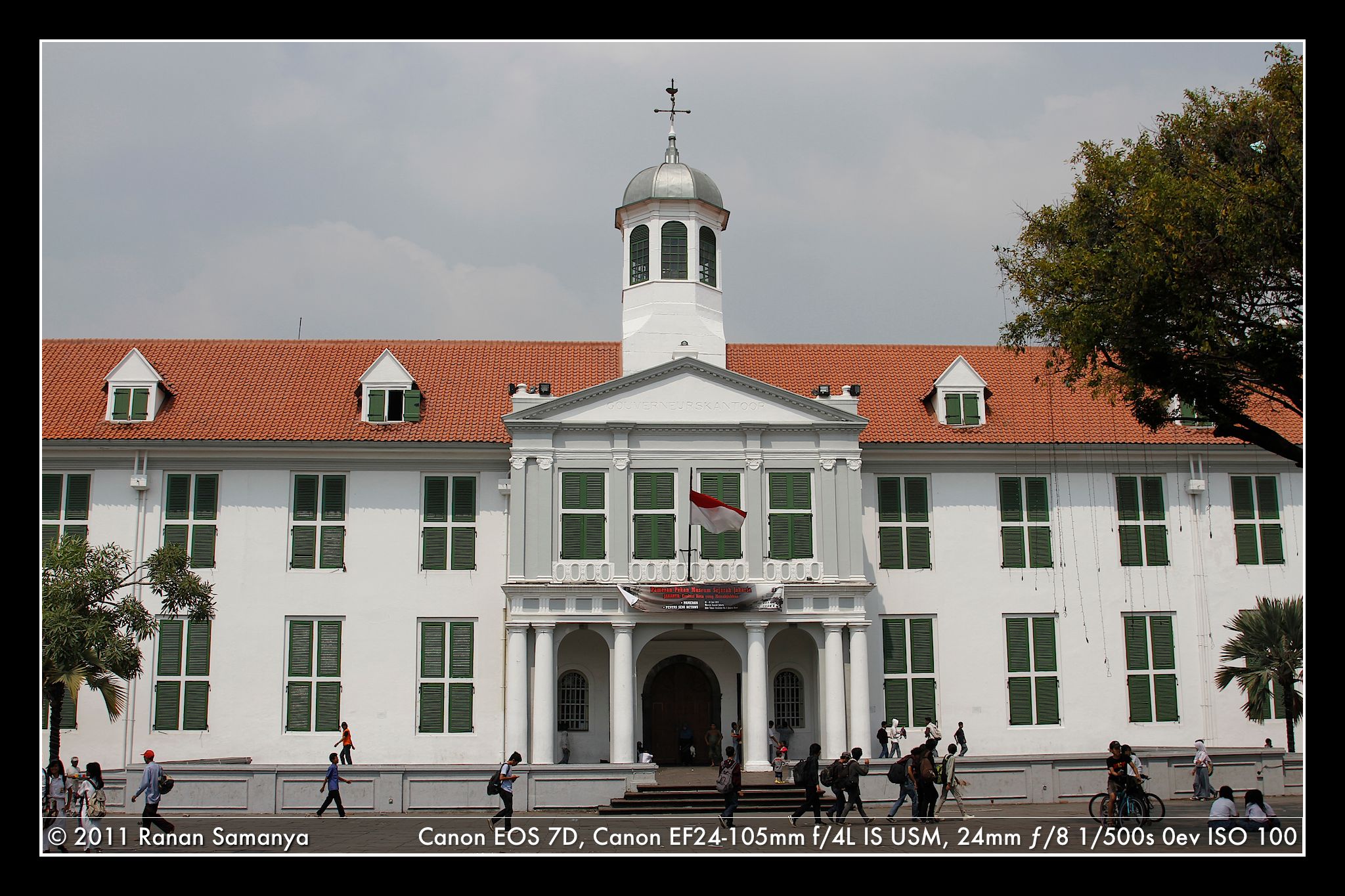
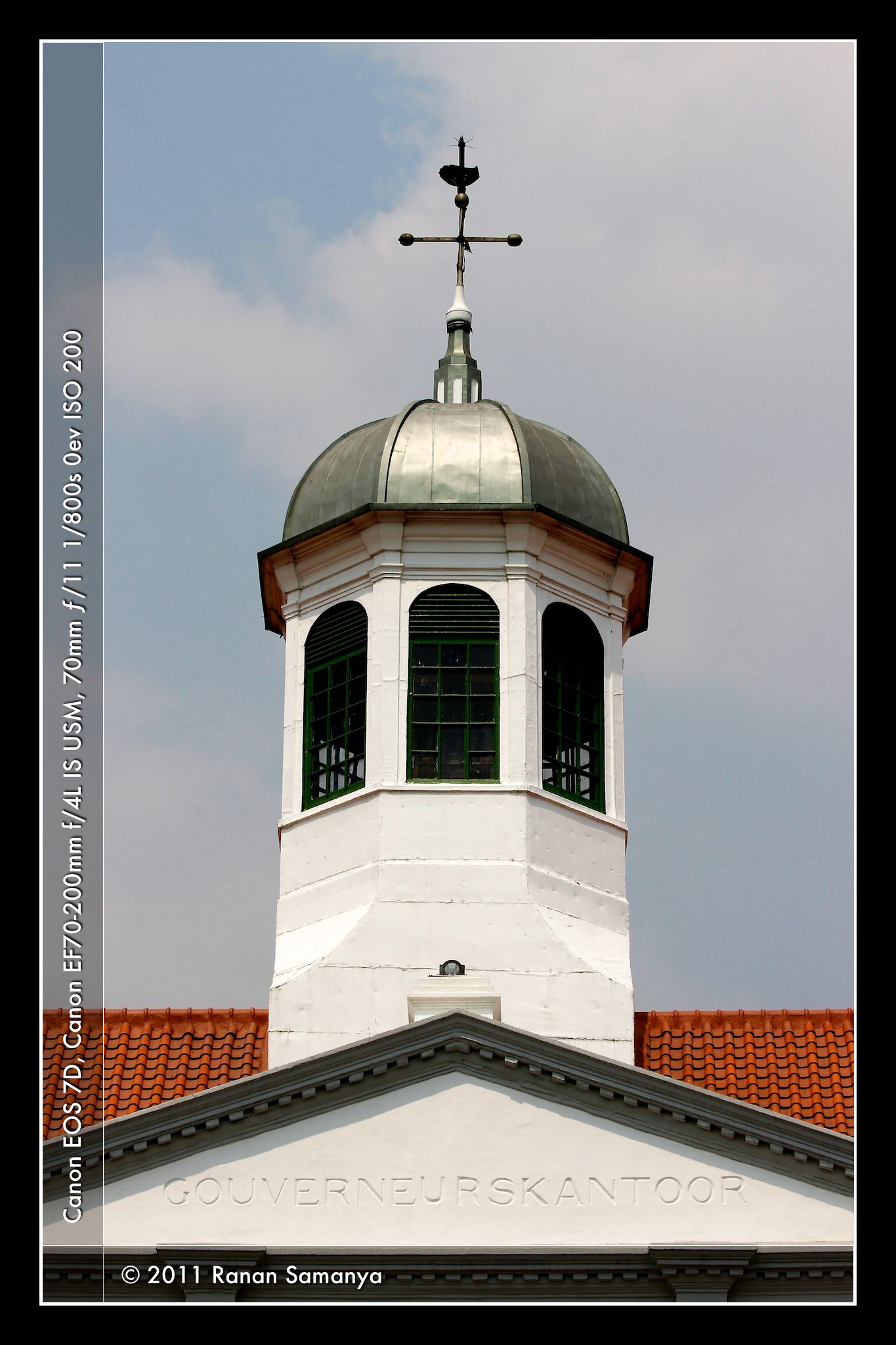

Big palm trees in front of the governor's office is a popular hang-out spots.

A sign on the fountain: "Do not write on this wall and do not urinate here".
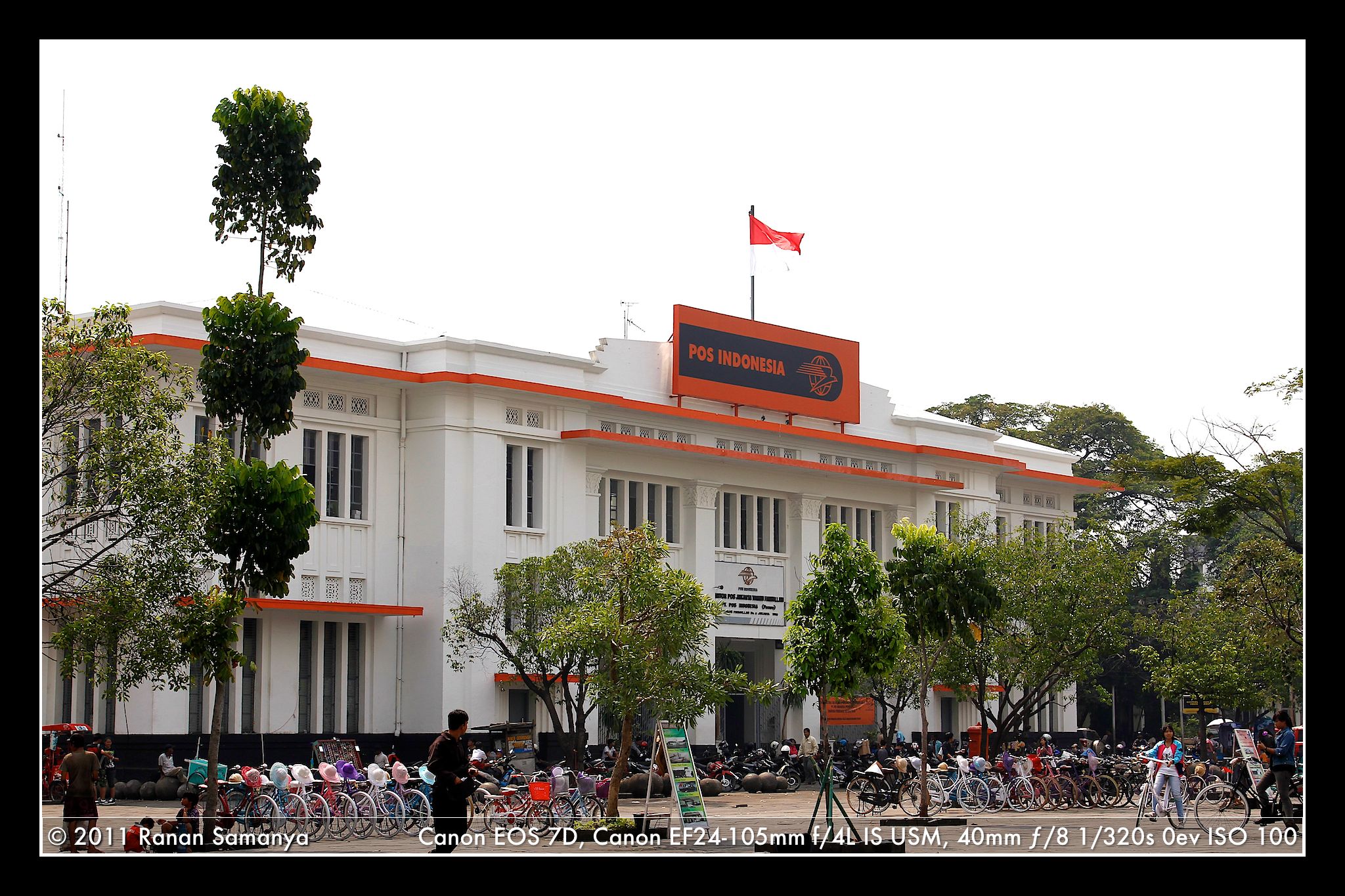
To date this is still Indonesia's central post office.

There are more than enough old bicycles for rent on Fatahillah Square, complete with matching colonial-style hats for the ladies and gents.
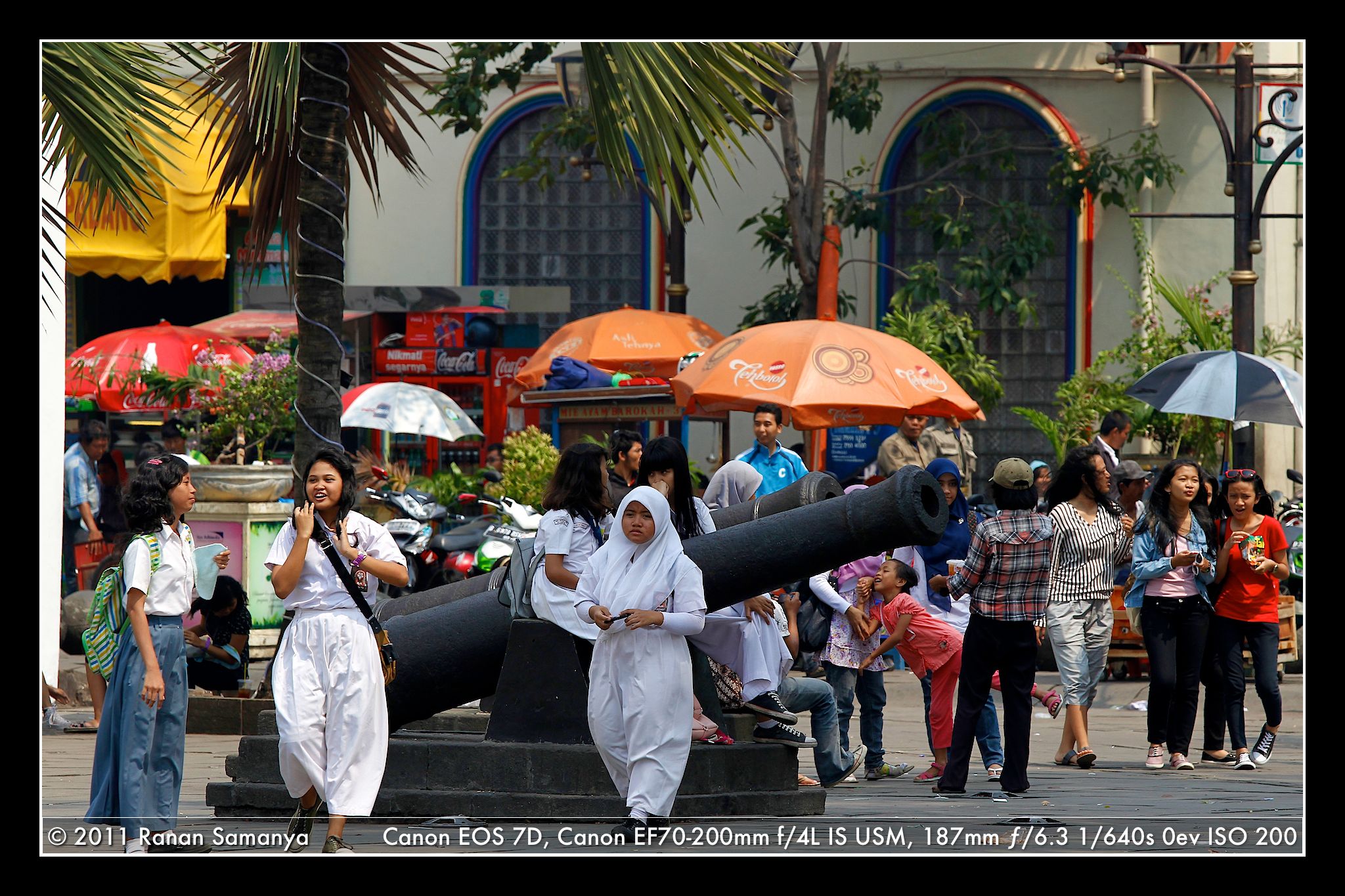
This ancient Portuguese cannon finds home on the north side of Fatahillah Square. It was brought to Fort Batavia in 1641, where it stood until the fort's demolition in 1809. A large fist protrudes from its posterior, believed by Indonesians to bring fertility. Some women would sit on the barrel hoping for a child. According to legend, a man named Si Jagur was transformed into the cannon upon his death. His better half, also transformed, was taken to Banten to avoid the catastrophe believed to be brought about by a side-by-side burial.
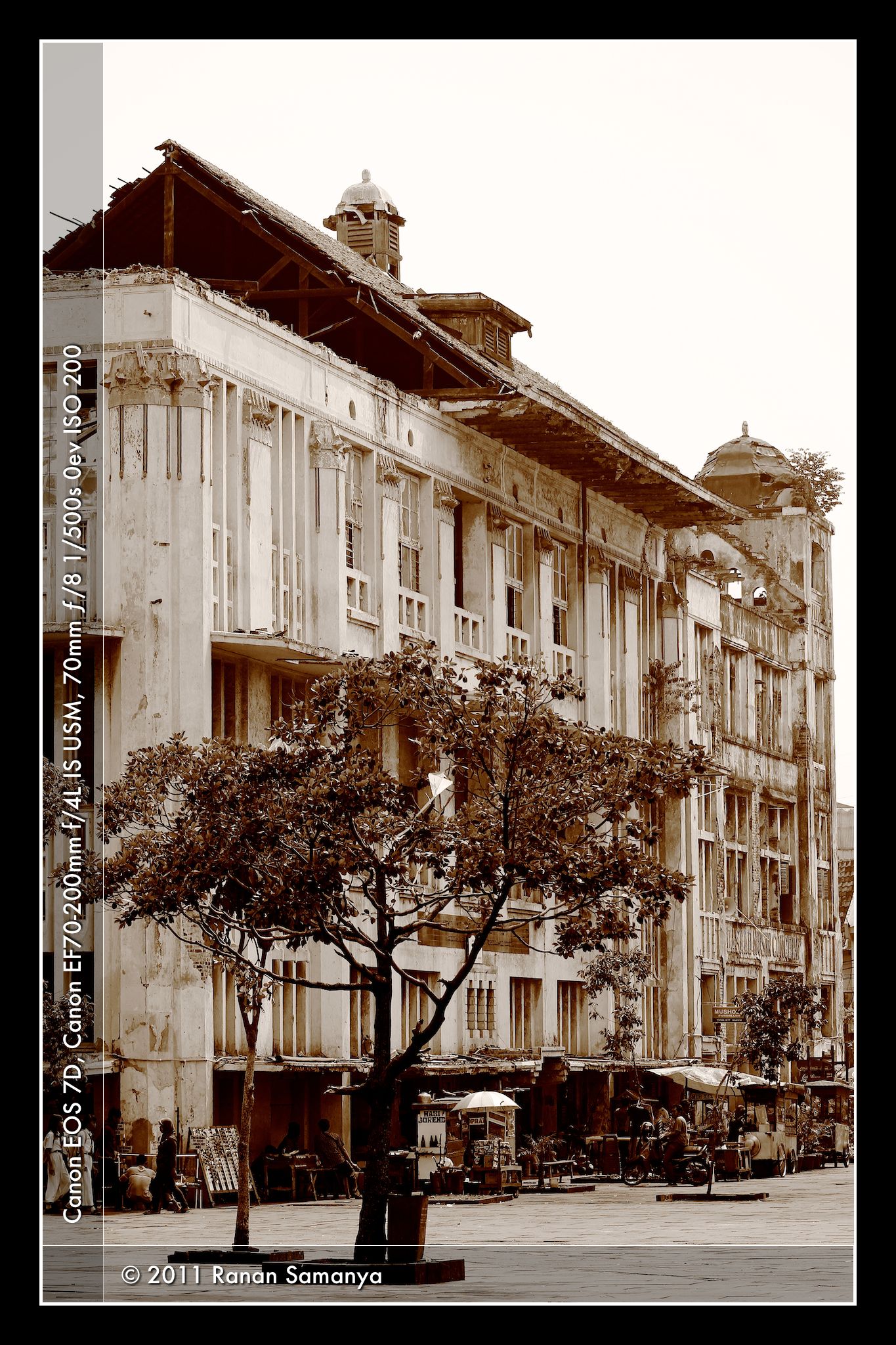
JASINDO building, waiting to collapse. JASINDO is Indonesia's first insurance company, a result of nationalization of Dutch-owned companies after our Independence. It has a very good reputation in claim payment; it has paid a sum of more than USD 60 million to failures of some parts of PALAPA satellites, and also USD 100 million for Garuda satellite. in 1997 it received a BBB rank from Standard and Poor for Claim Paying Ability, and in 2009 received a very good credit ranking from an international credit ranking agency, A.M. Best, for Financial Strength Ability (Stable Outlook) and Issuer Credit Ability (Stable Outlook). As a reputed company, it is sad to see that the place where it grew went abandoned and unattended.

Another abandoned building on the side street north of Fatahillah Square.
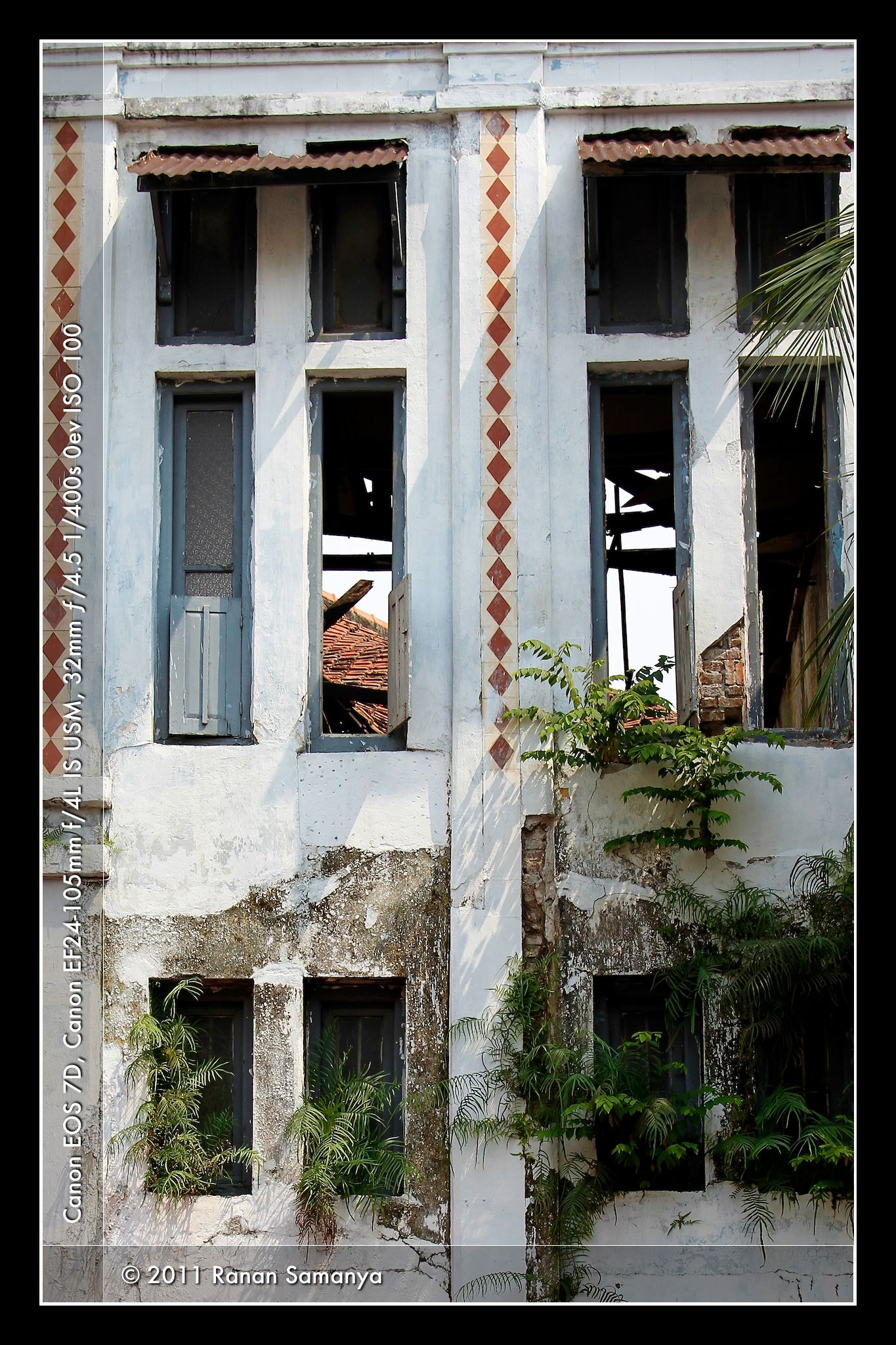
A closer look showing precious old tiles on abandoned building.
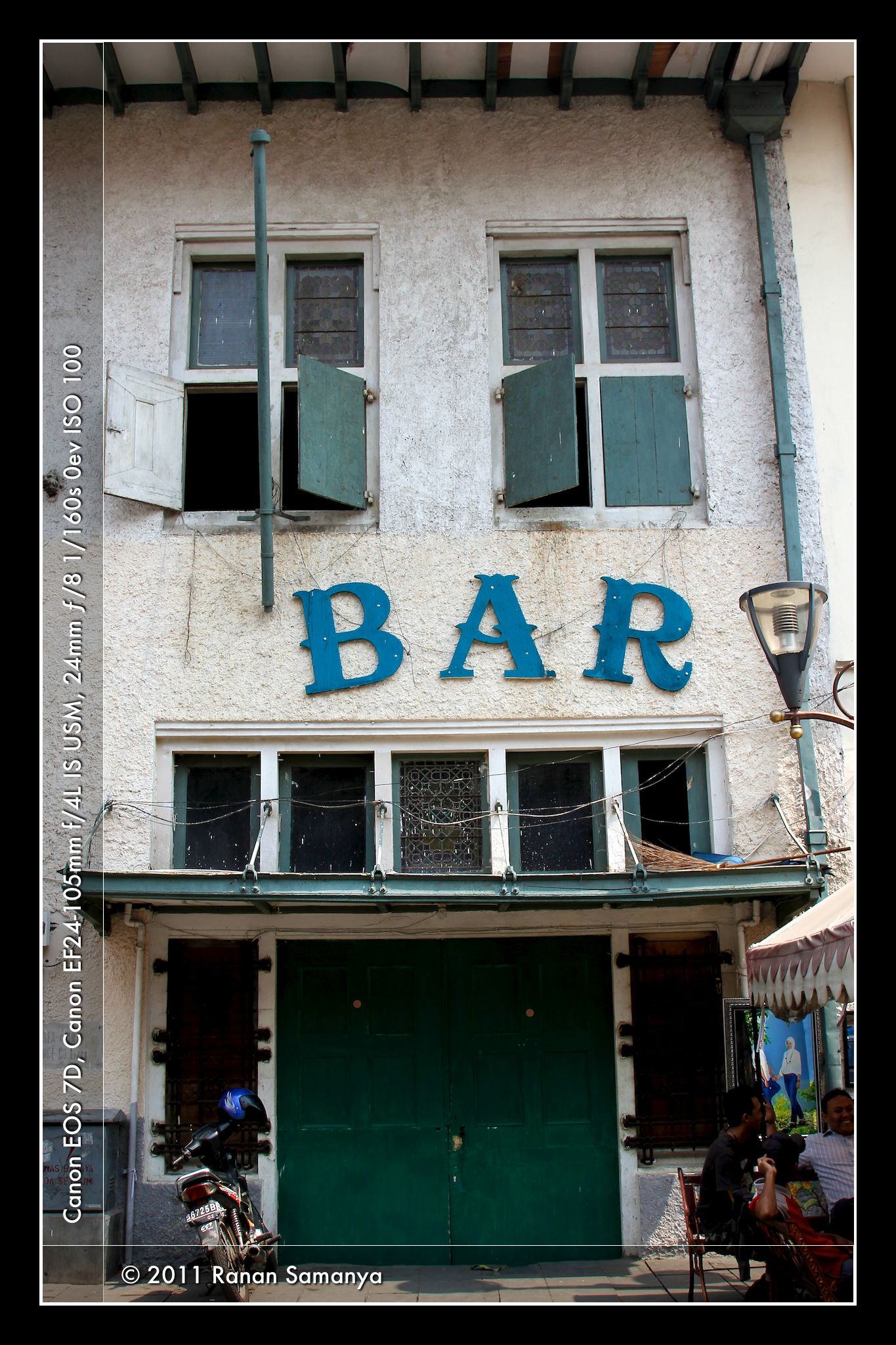
Jakarta 484 years – old and new mode of mass transportation
I am happy to witness the 484th years of Jakarta, Indonesia’s great capital. A few quick shots of the old and new mass transportation over here.
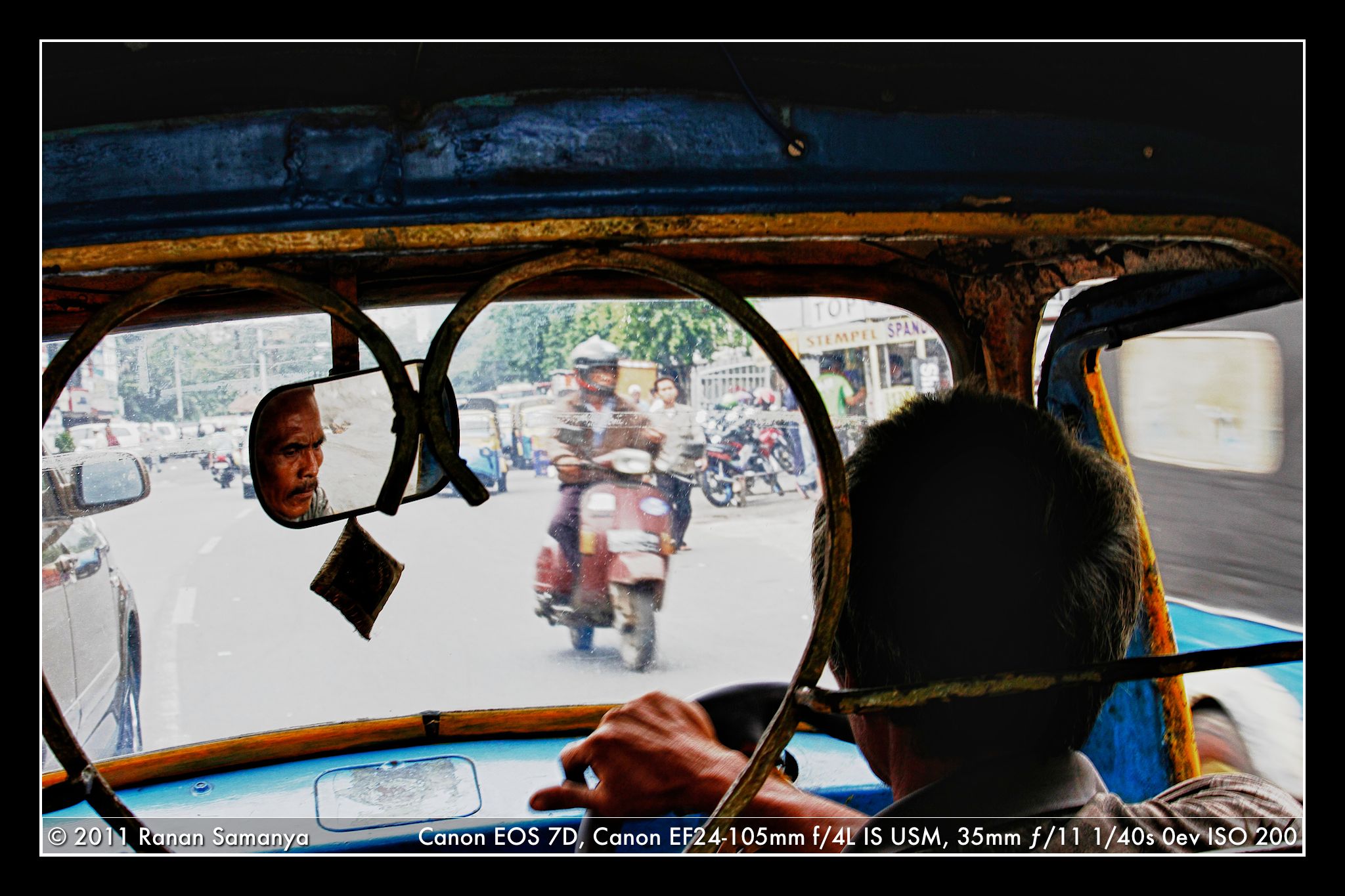
A bemo is a three-wheel, 7 seater mini-cooper wannabe. It has been serving the Jakarta commuters for more than 40 years. It's a cramped way of transporting people: the six persons sitting behind will sit knee-to-knee. But it's fun. I used to hang on the outer guardrail behind to become the 8th (or sometimes 9th) passenger when I was still in primary school.
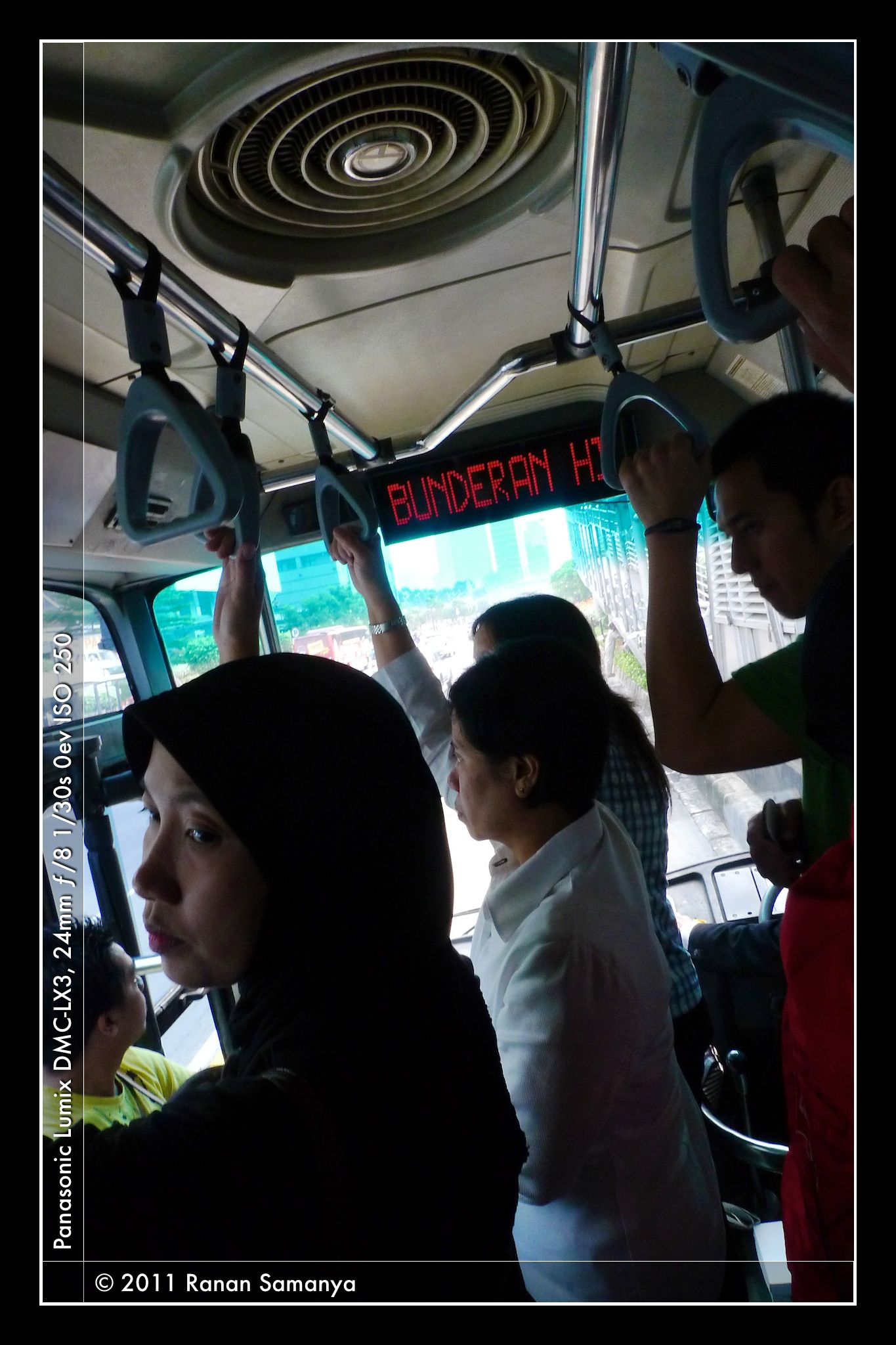
Busway, once opposed by many, is now probably the most comfortable mass transport. For IDR 3500 we can get from the beginning to the end of its route. And it has got aircon.
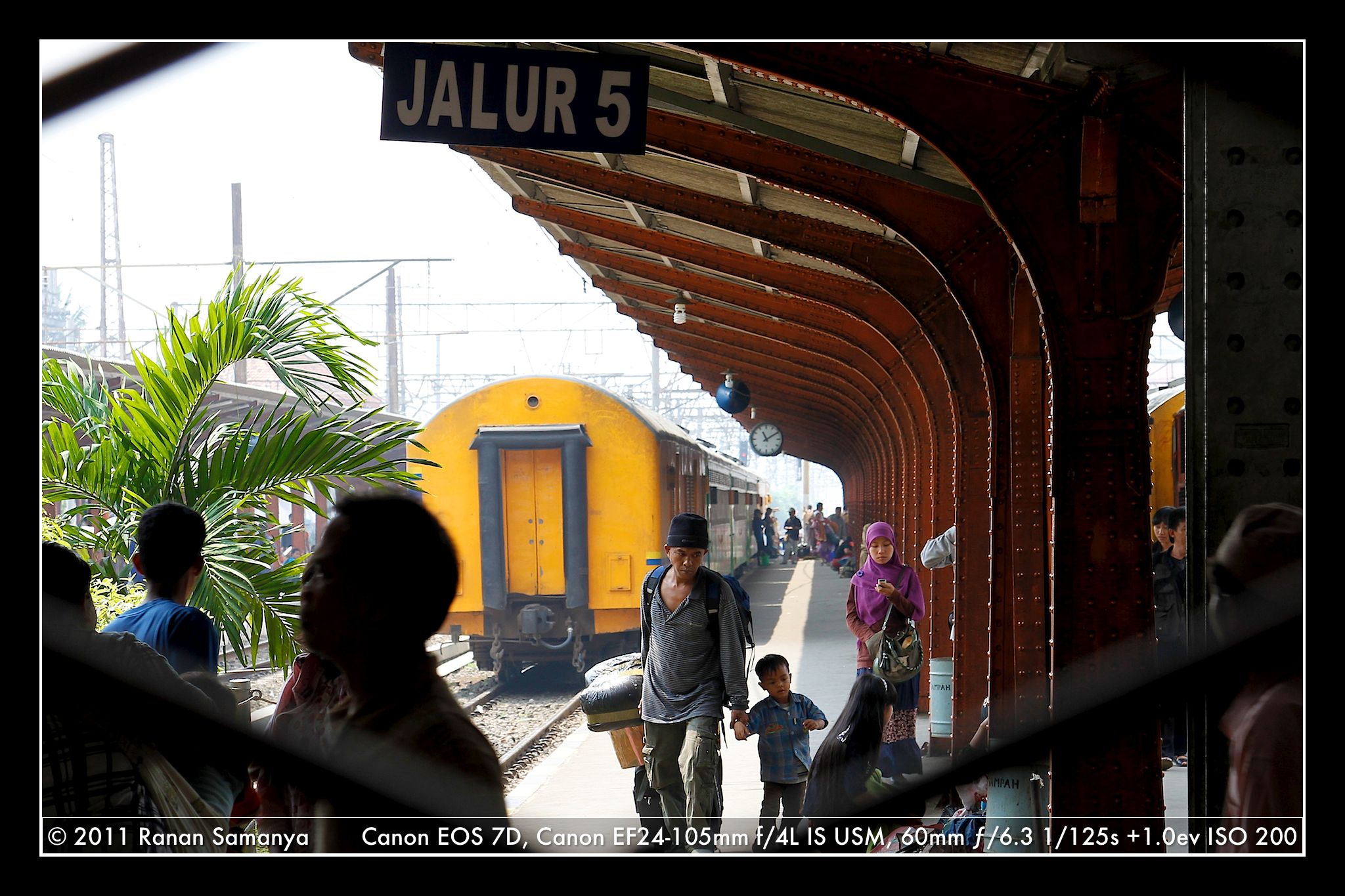
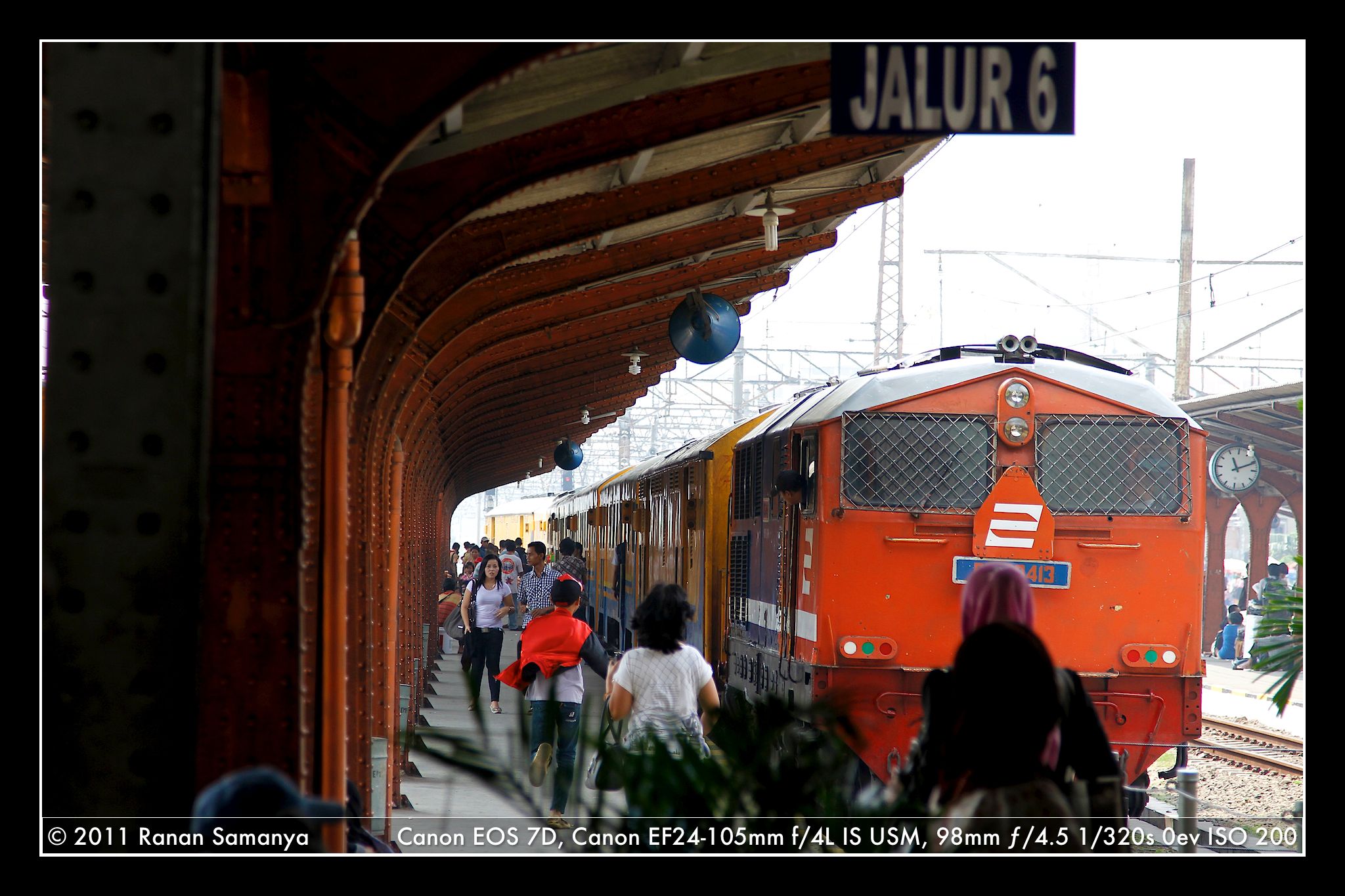
This and the picture after, were taken in jakarta Kota, the oldest train station of Jakarta. Train has been the most popular mode of intercity transportation, apart from buses.
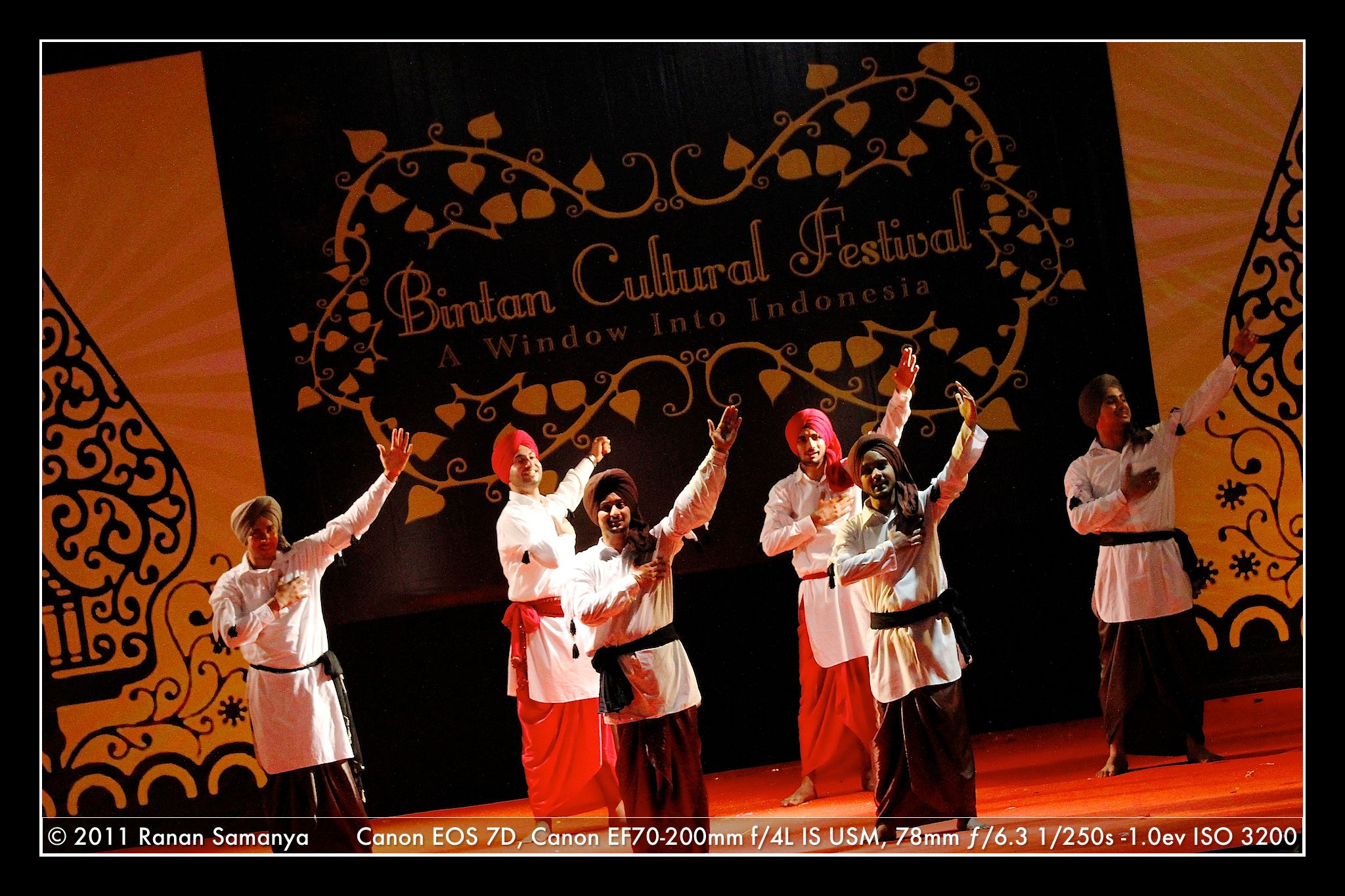
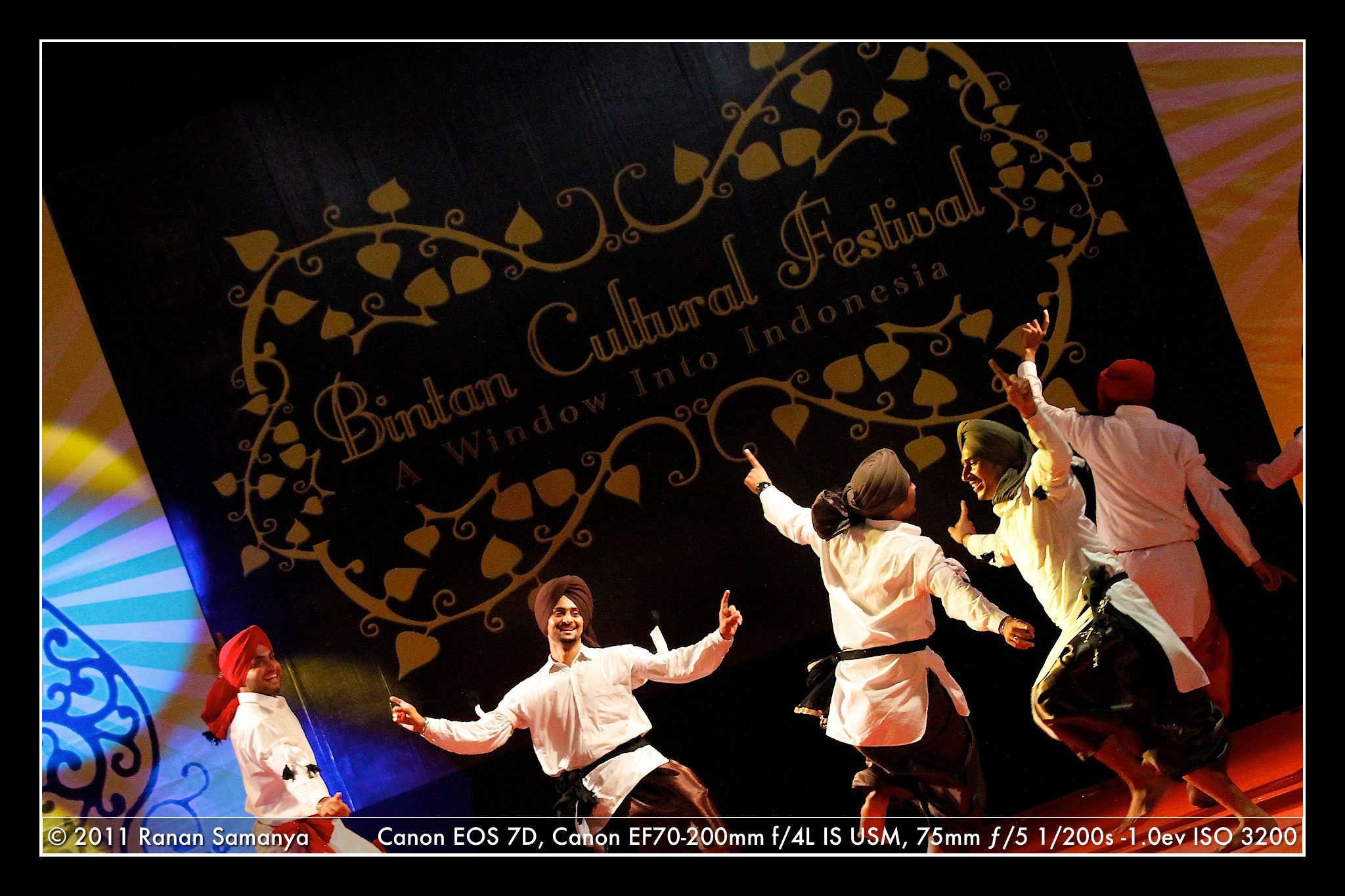
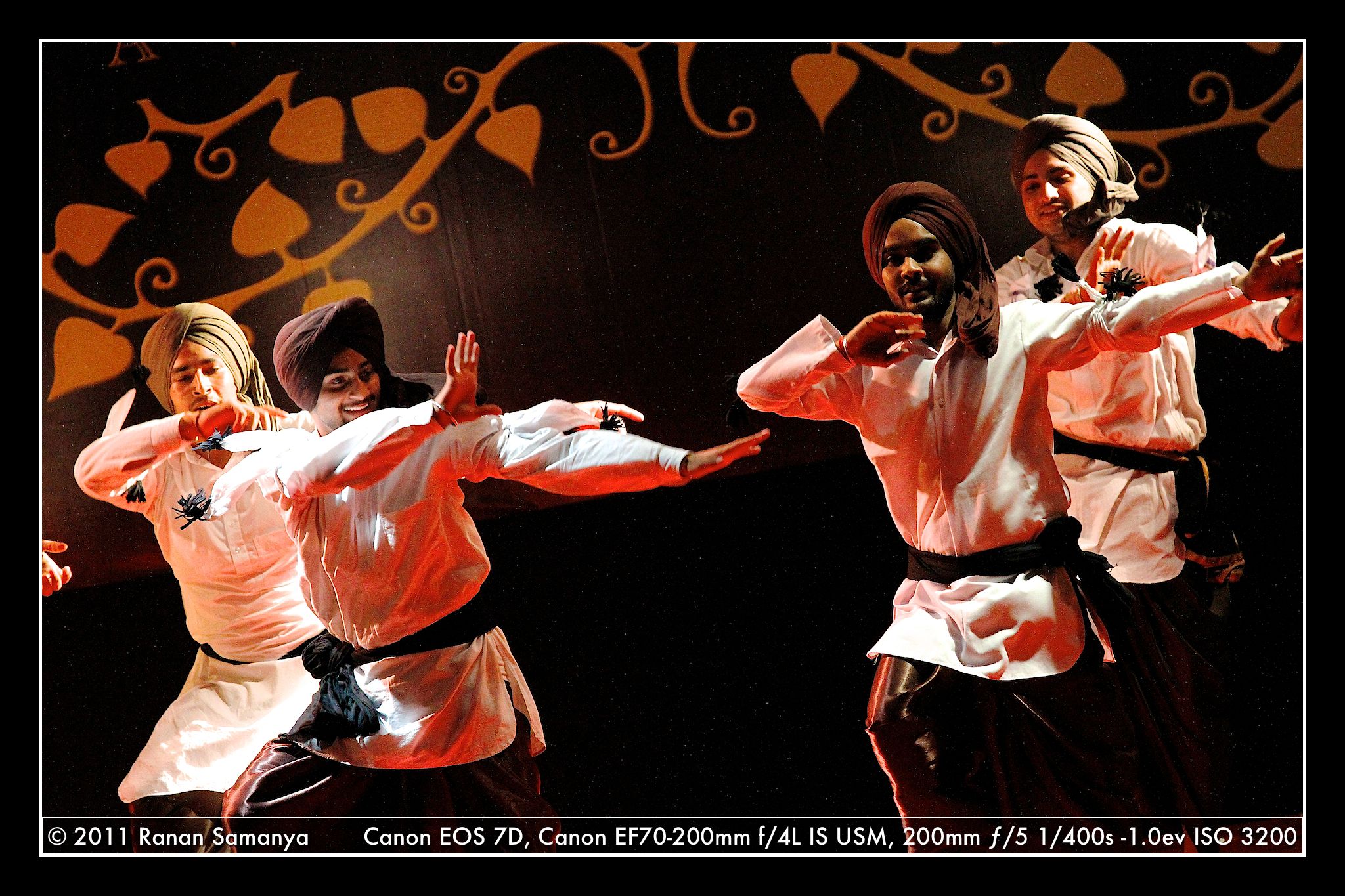
and then came the Indians!
Out of nowhere, 5 guys with turbans came rushing to the stage in our Bintan Resorts Bintan Cultural Festival opening ceremony two week ago. I thought 1001 nights came to live here in Bintan Resorts. But no, it wasn’t the Persians; it was the Indians with their Bollywood style dance. It was a dance from Bhangra, Punjab, North India, performed by authentic Indian guys who are studying in one of Bintan Resorts Academy. And boy they were good: so much energy, so full of smile, and oooh… those noses were so terribly sharp!
They steal the show: hands were clapping, crowds were dancing on their seats, and a lot of scream! WHOOOHOOO!!! Acha! Acha!

Something from Sulawesi
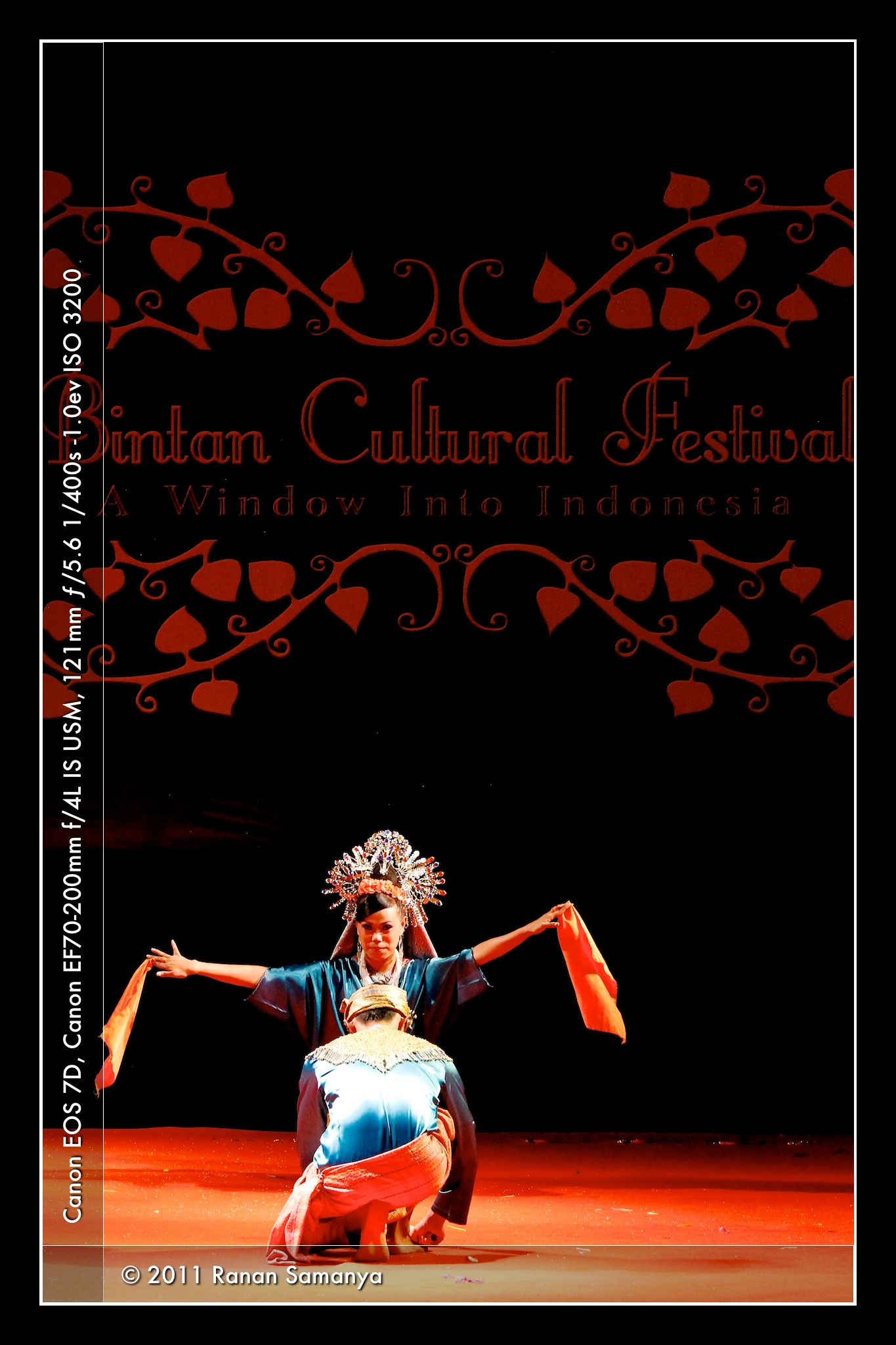
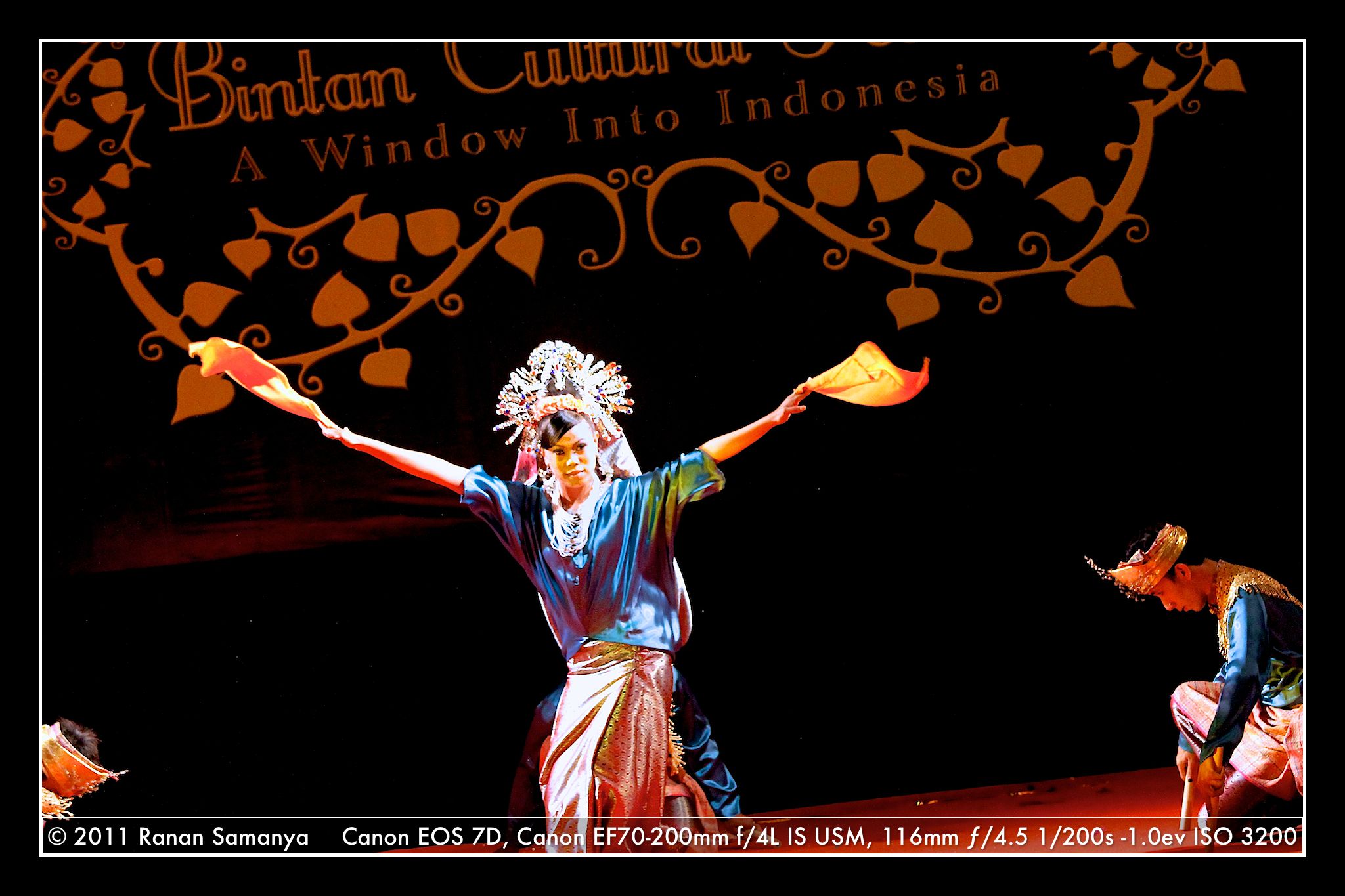
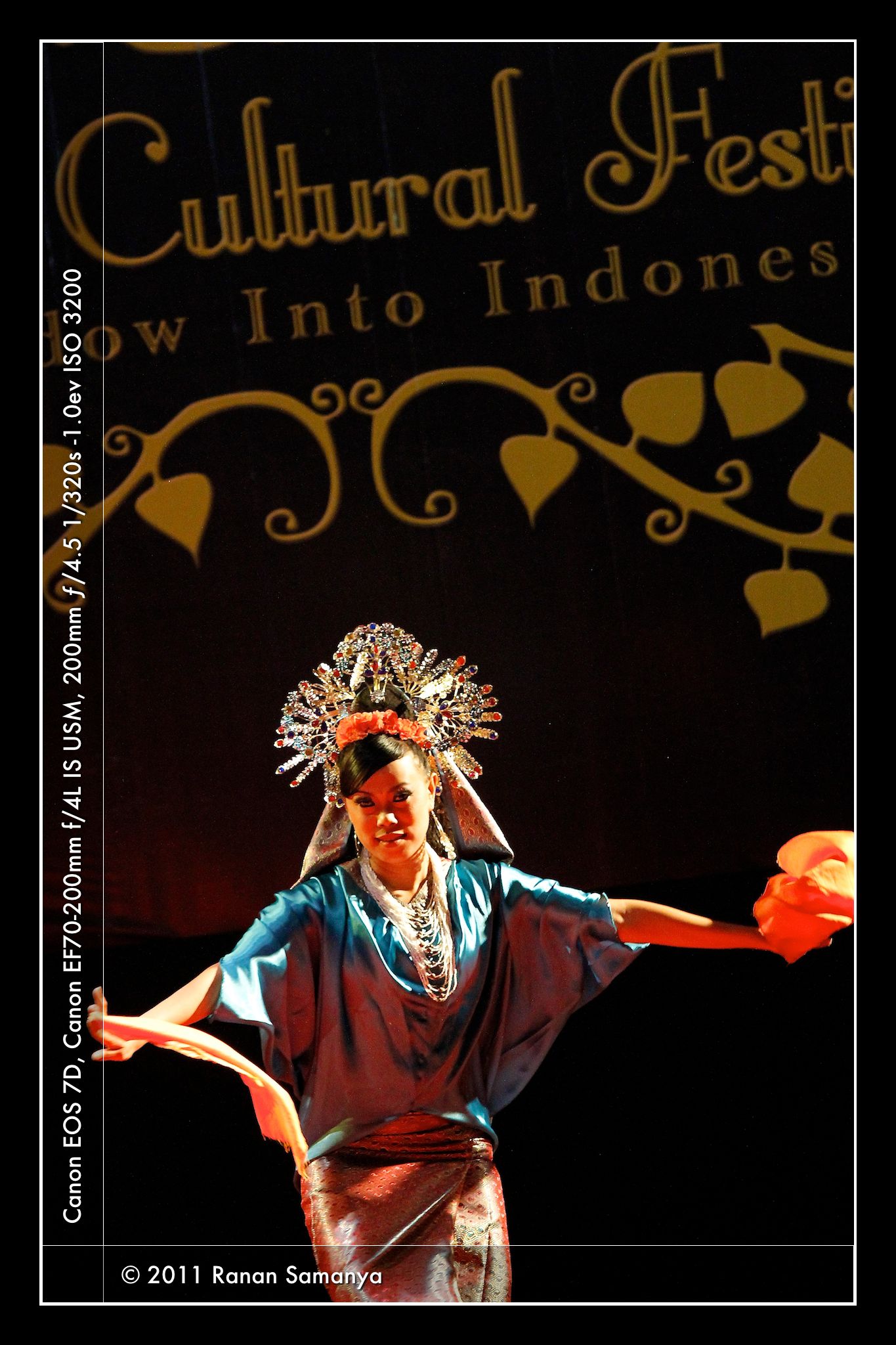
Oh yes, I’m still in Bintan Cultural Festival. And this one is from Sulawesi. As the night set in, and the lighting was not helping, I needed to push the ISO up to 3200 to get the shutter speed I wanted!
tale of two birds

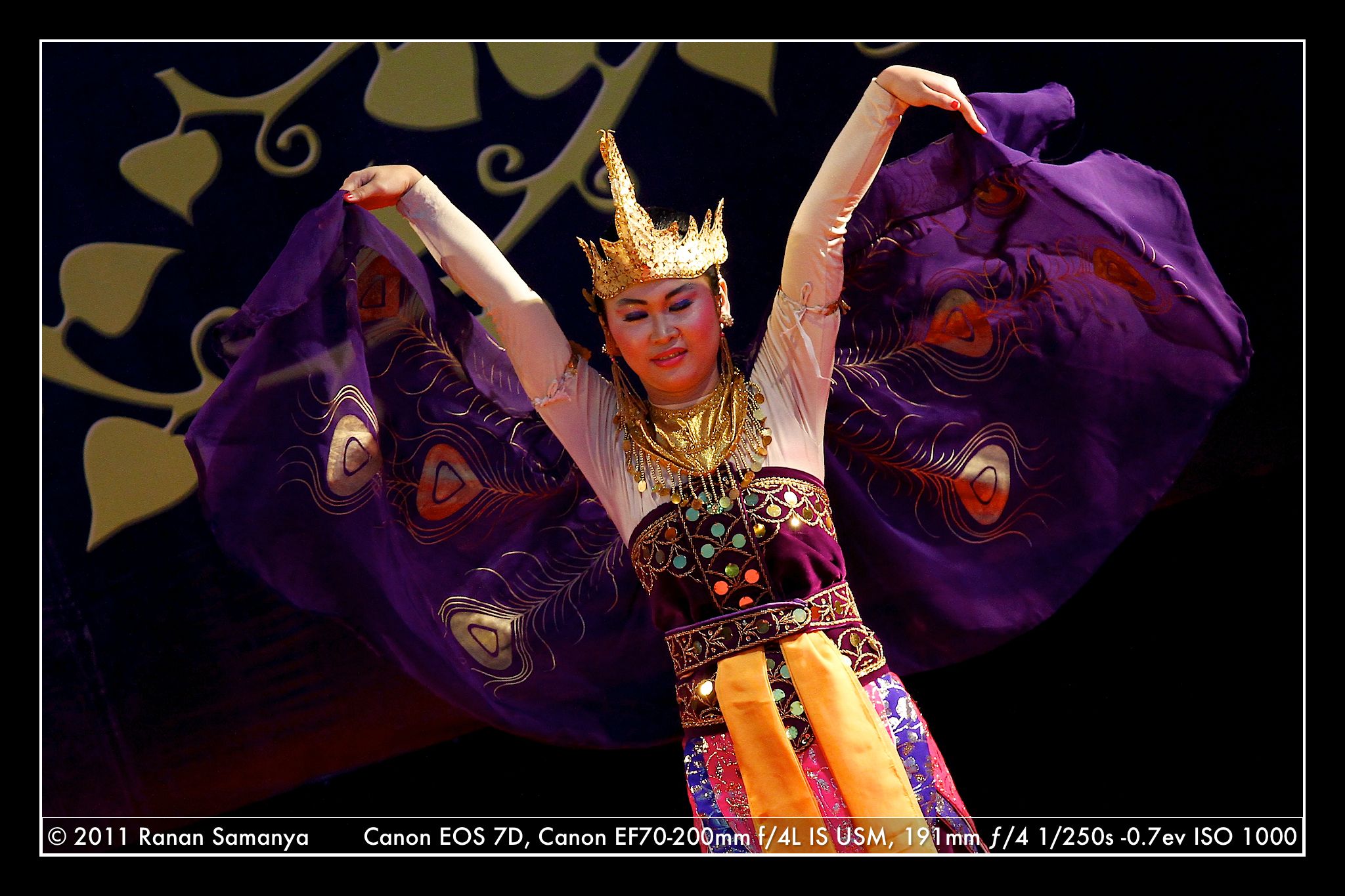
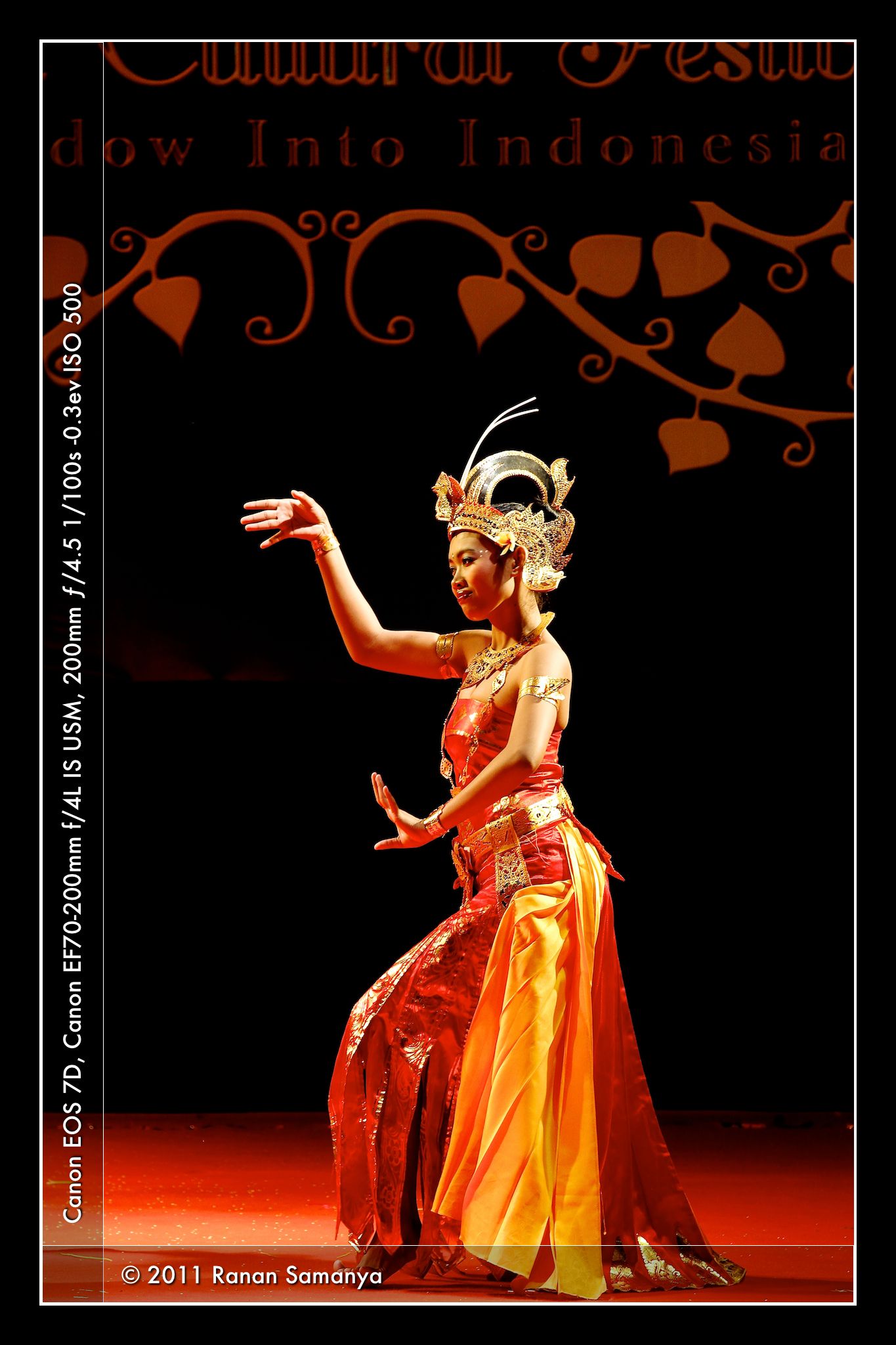
Two bird dances took part in Bintan Cultural Festival 2011. Above: the Javanese Merak (peacock) dance. Below: Cendrawasih (bird of paradise) dance from Bali. Both imitate beautiful birds, both very popular in their respective lands. Somehow the Balinese dance has more character: the movements were flowing from the feet up to the head (including eyes), and tips of the fingers. And the two birds were dancing in harmony, in majesty.
While this Central java version of Merak dance depicts movement of a peacock, the Cendrawasih dance tells story about birds of paradise during their mating season. Cendrawasih dance was created in 1987 for Walter Spies Foundation Festival in Ubud, Bali, a year later. Although it follows the basic Balinese movements, N.L.N. Swasthi Bandem Wijaya, the choreographer and fashion designer of the dance, adapted several steps according to her interpretation in an attempt to find new forms of dance movement.
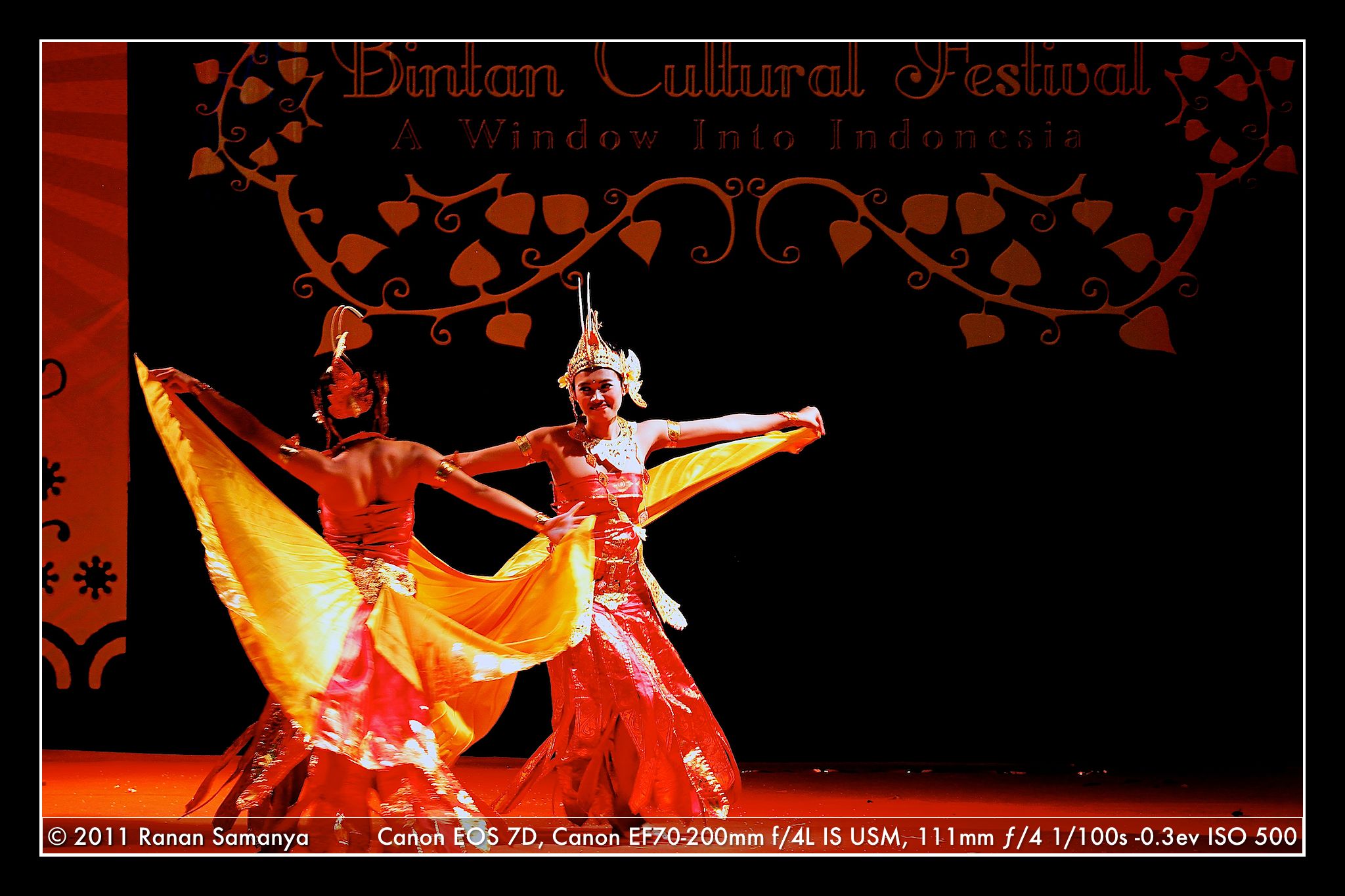

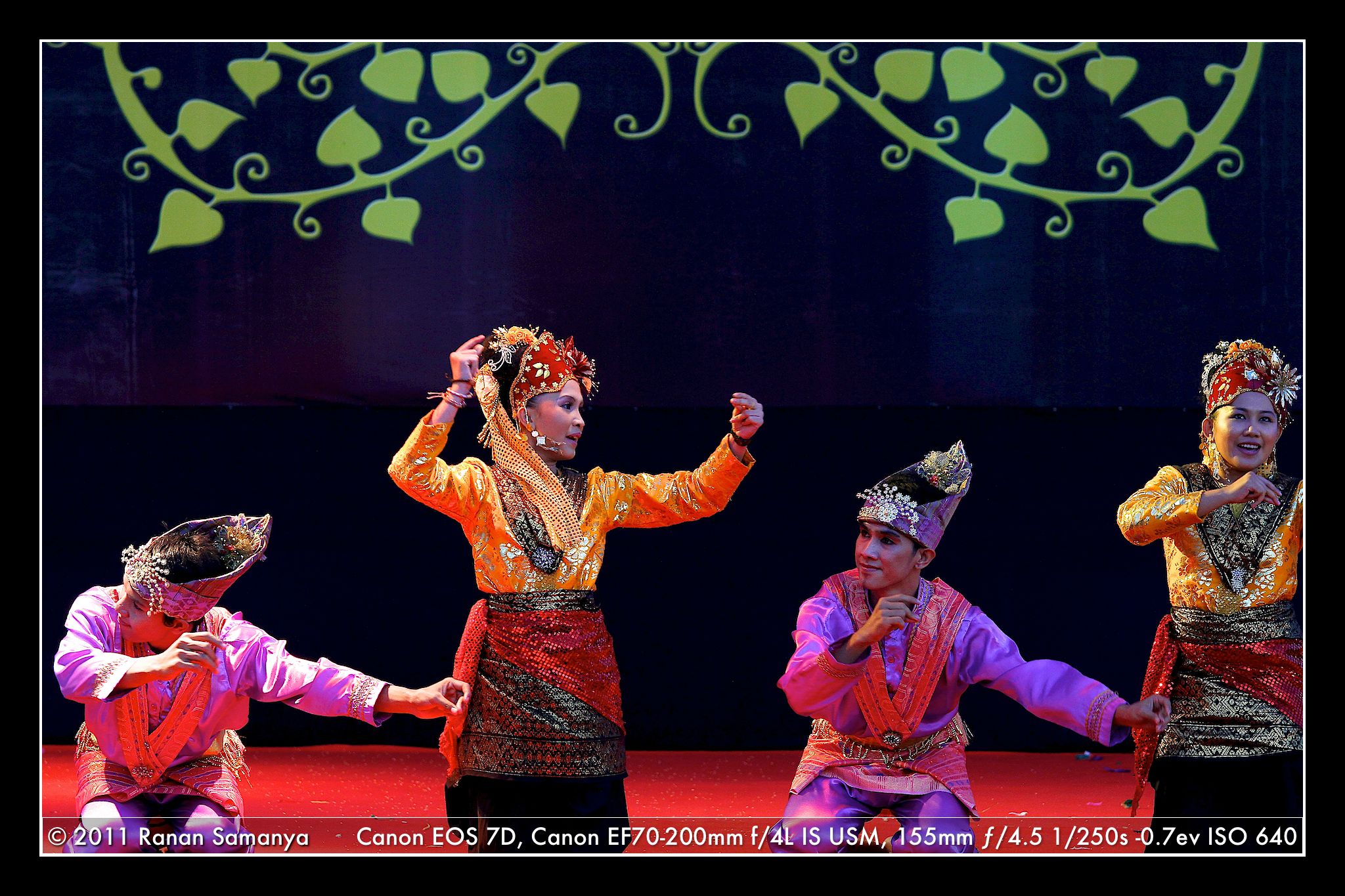
more dances from Bintan Cultural Festival opening ceremony
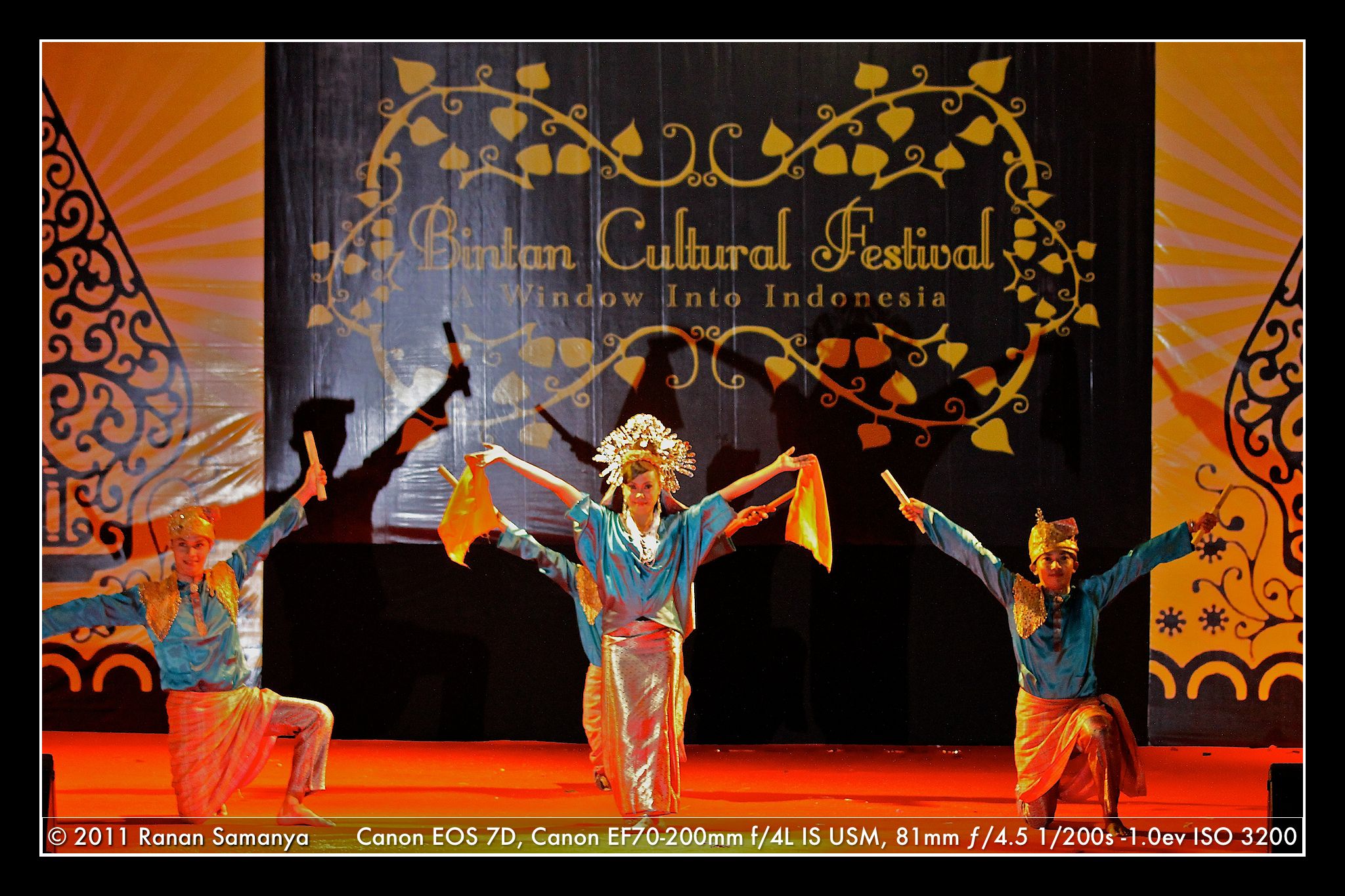
A quick note: The first two were part of the Sekapur Sirih in my previous post, called Rampak Dance. The latter two were dance from Aceh region. Yes, you guessed it, they were not that special in my opinion, hence the lack of comments from me. <grin>

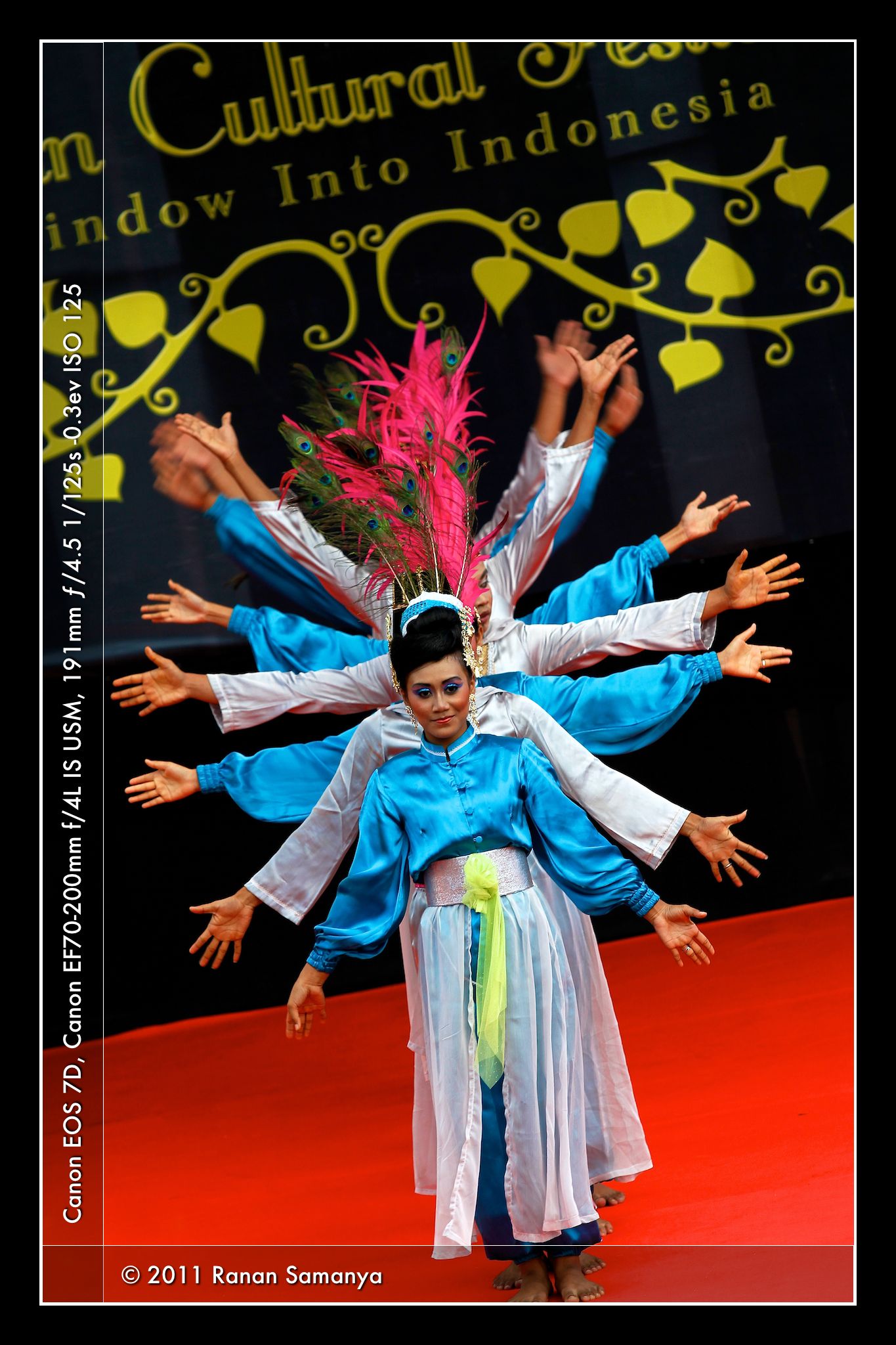

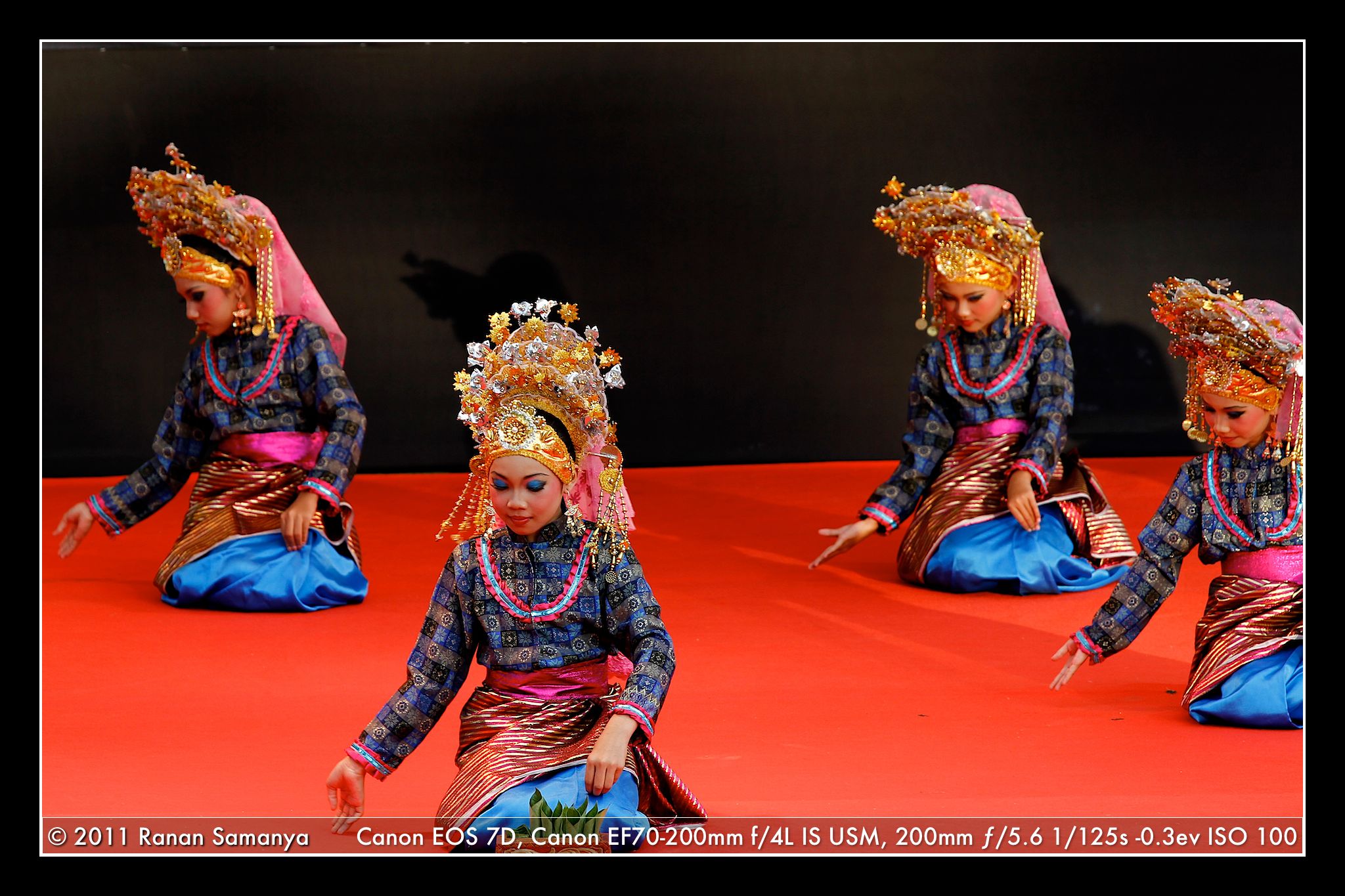
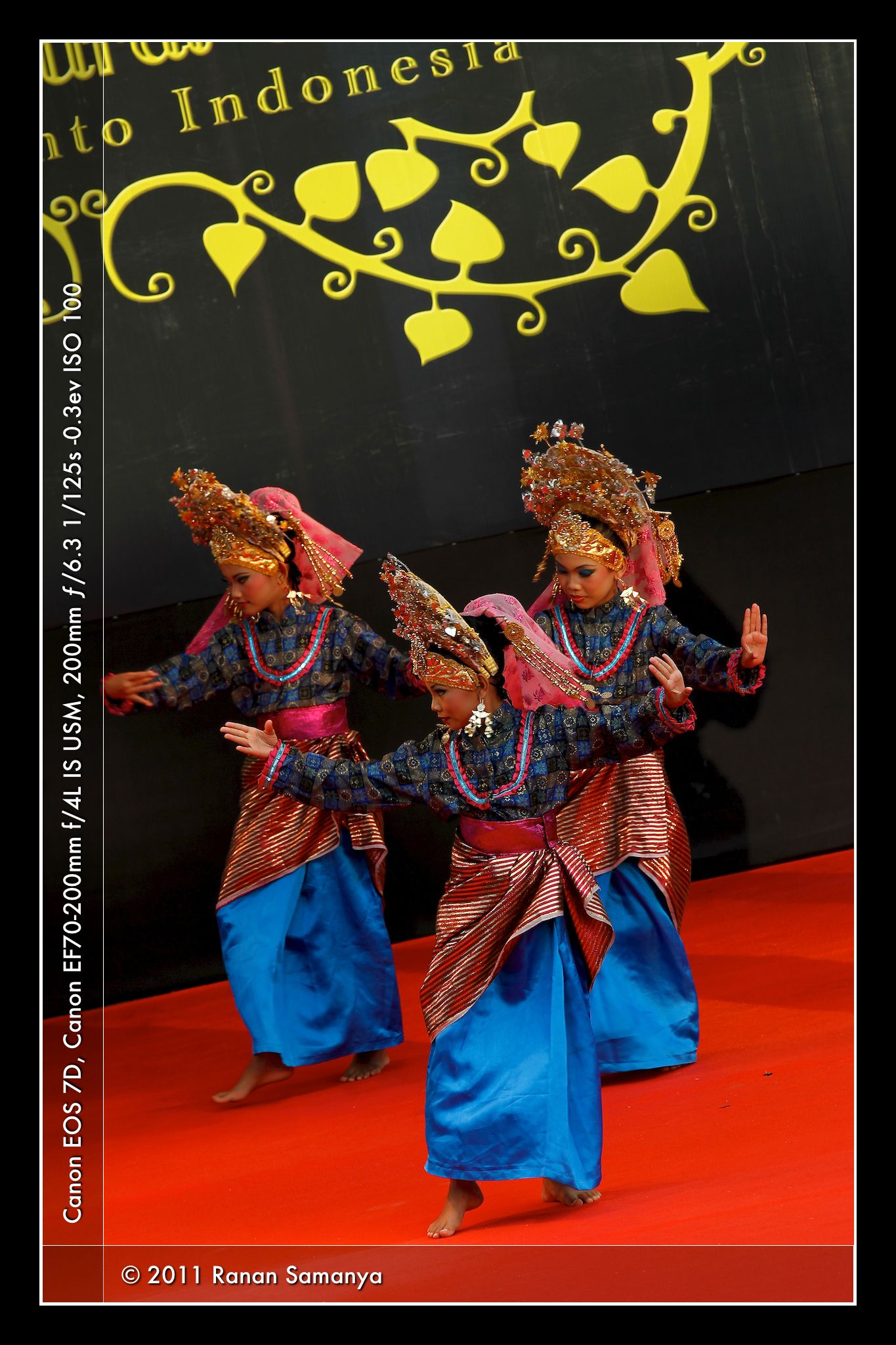
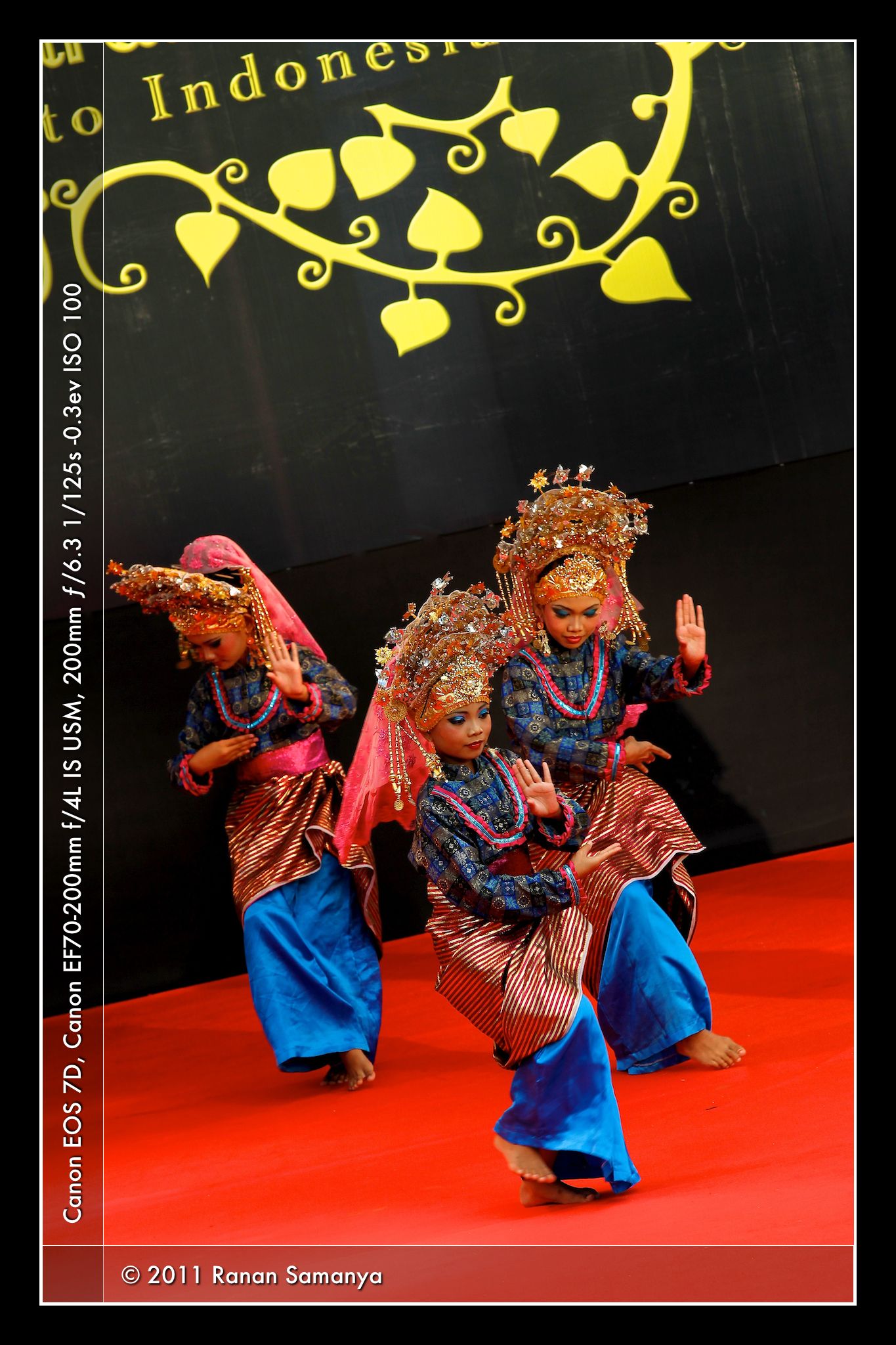
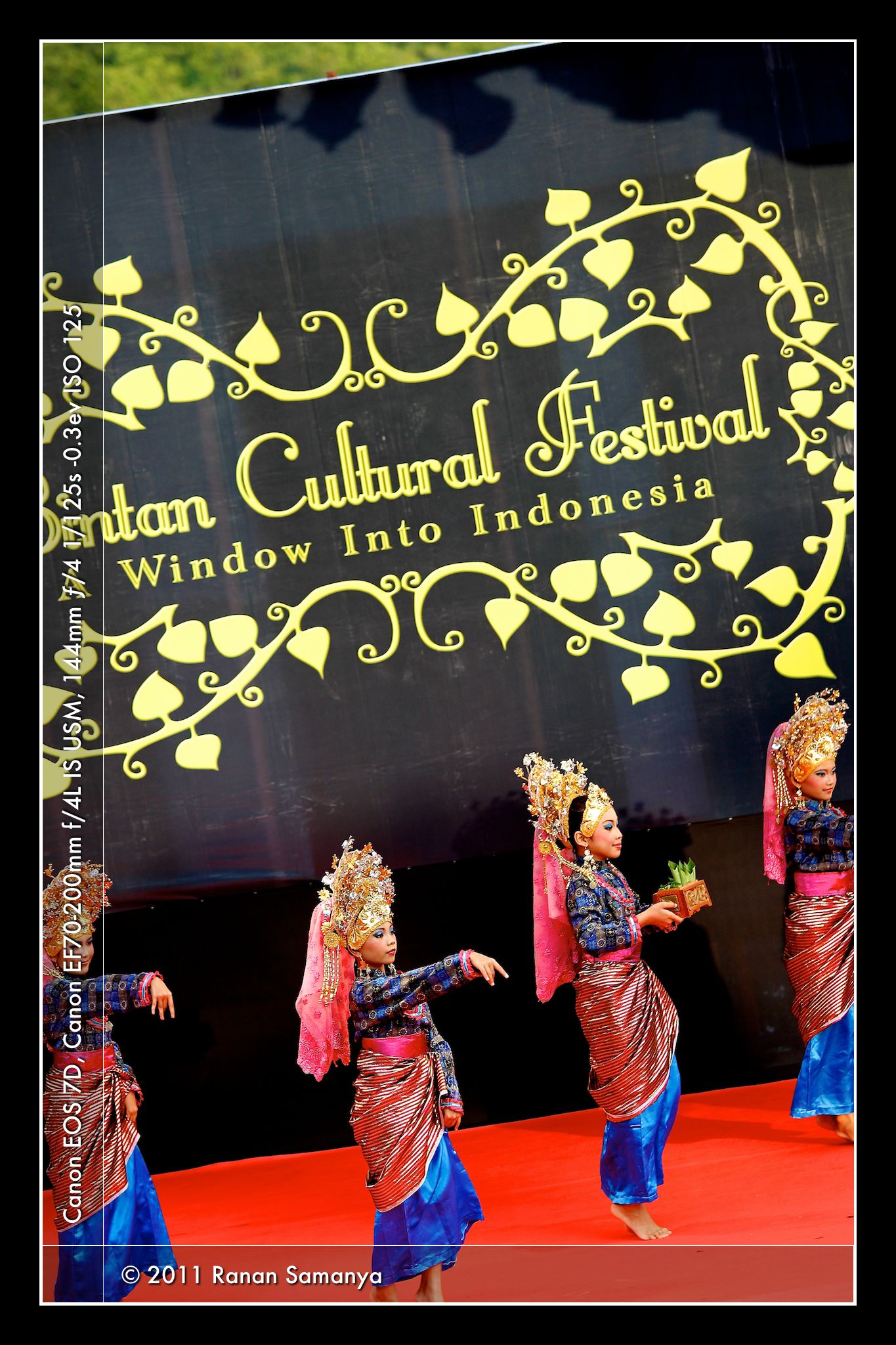
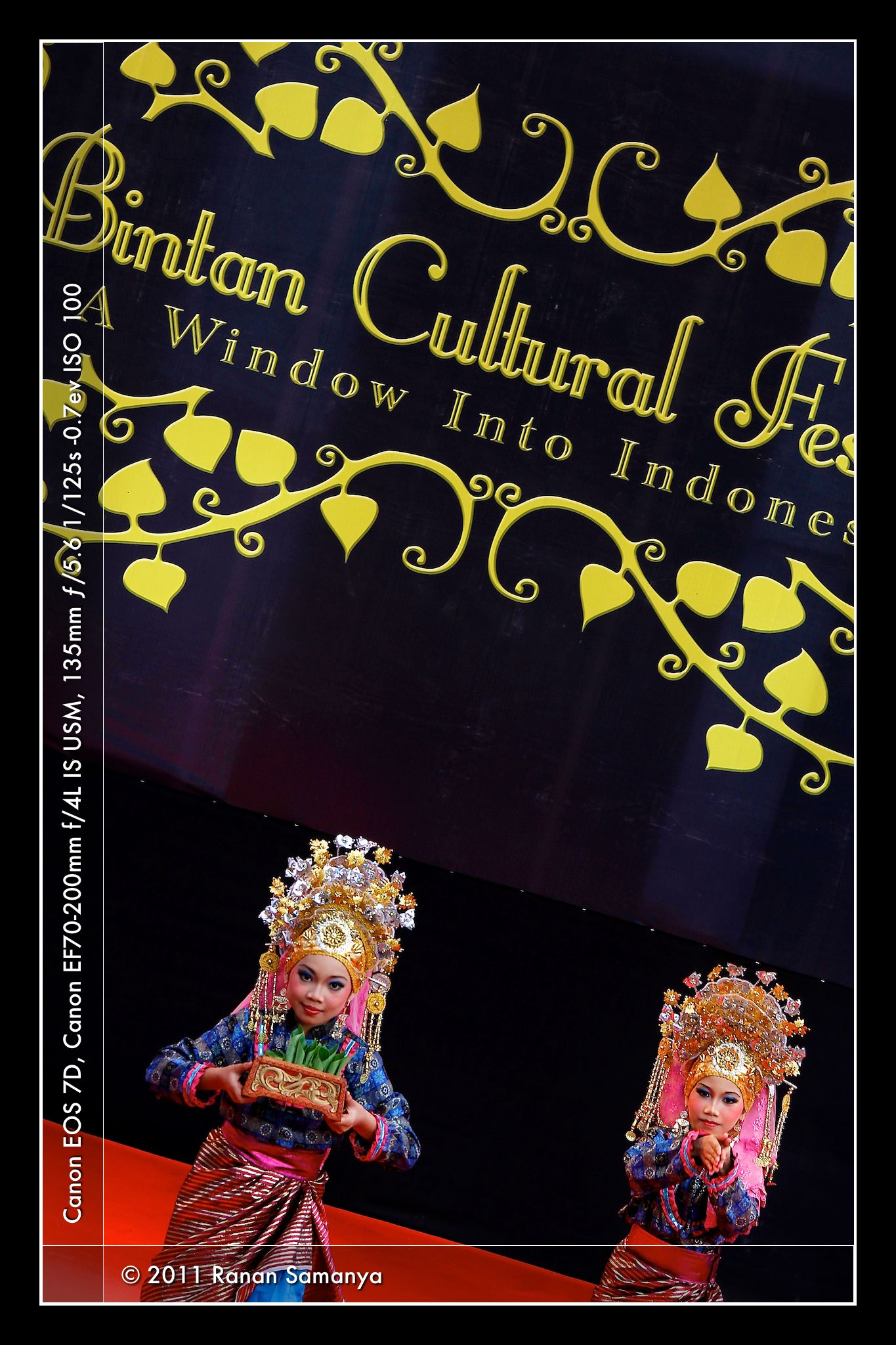
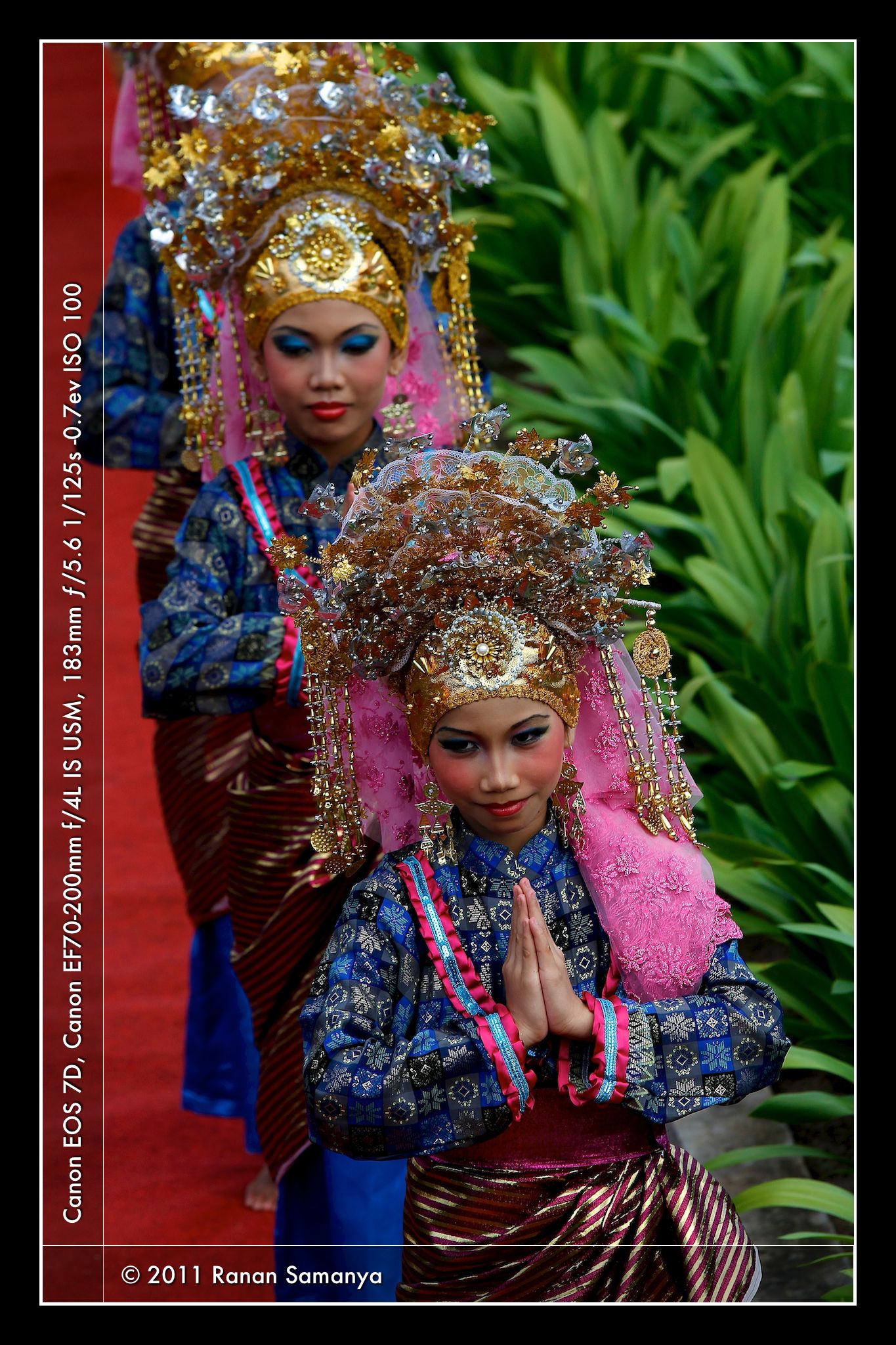
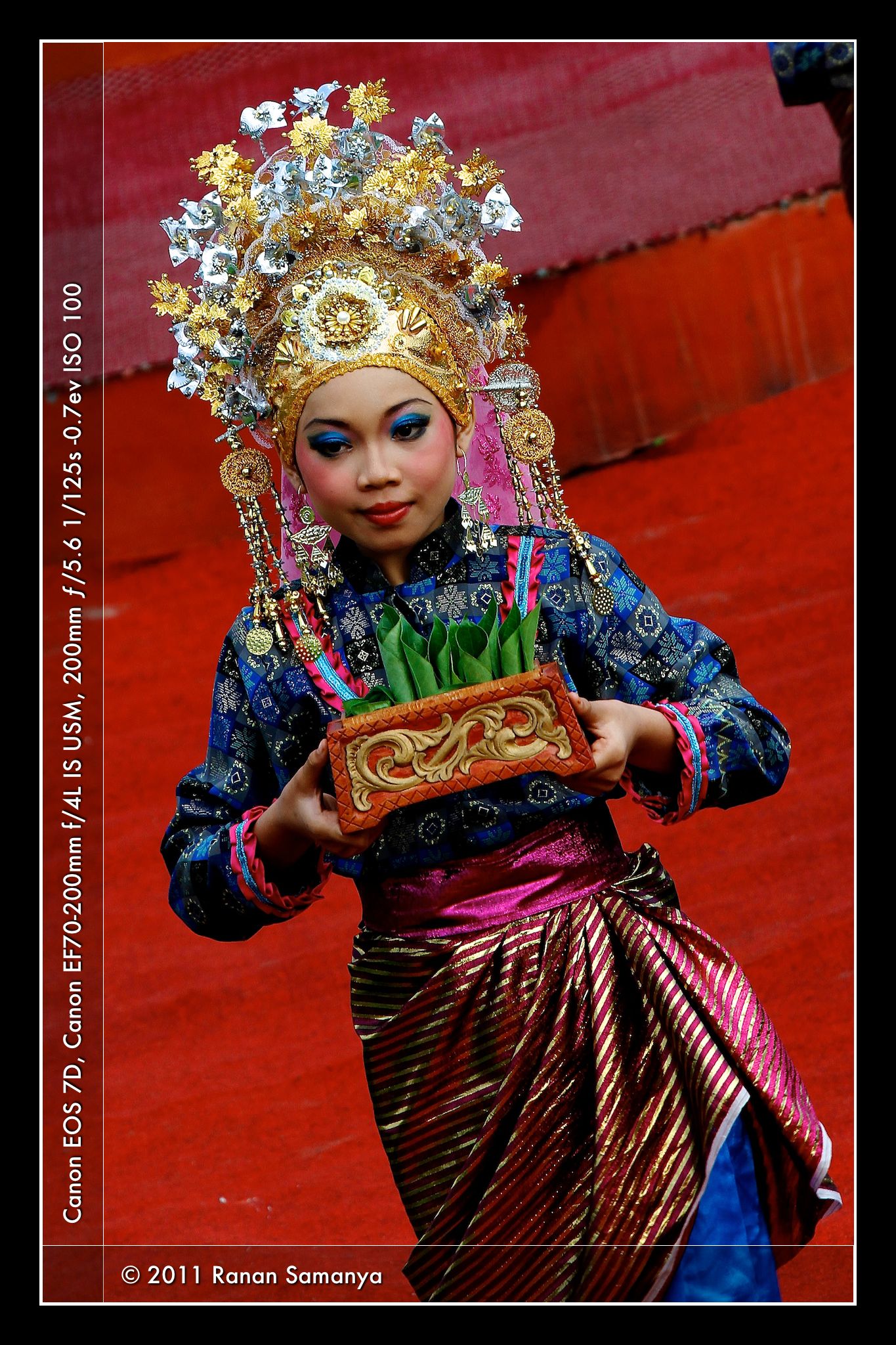
Sekapur Sirih
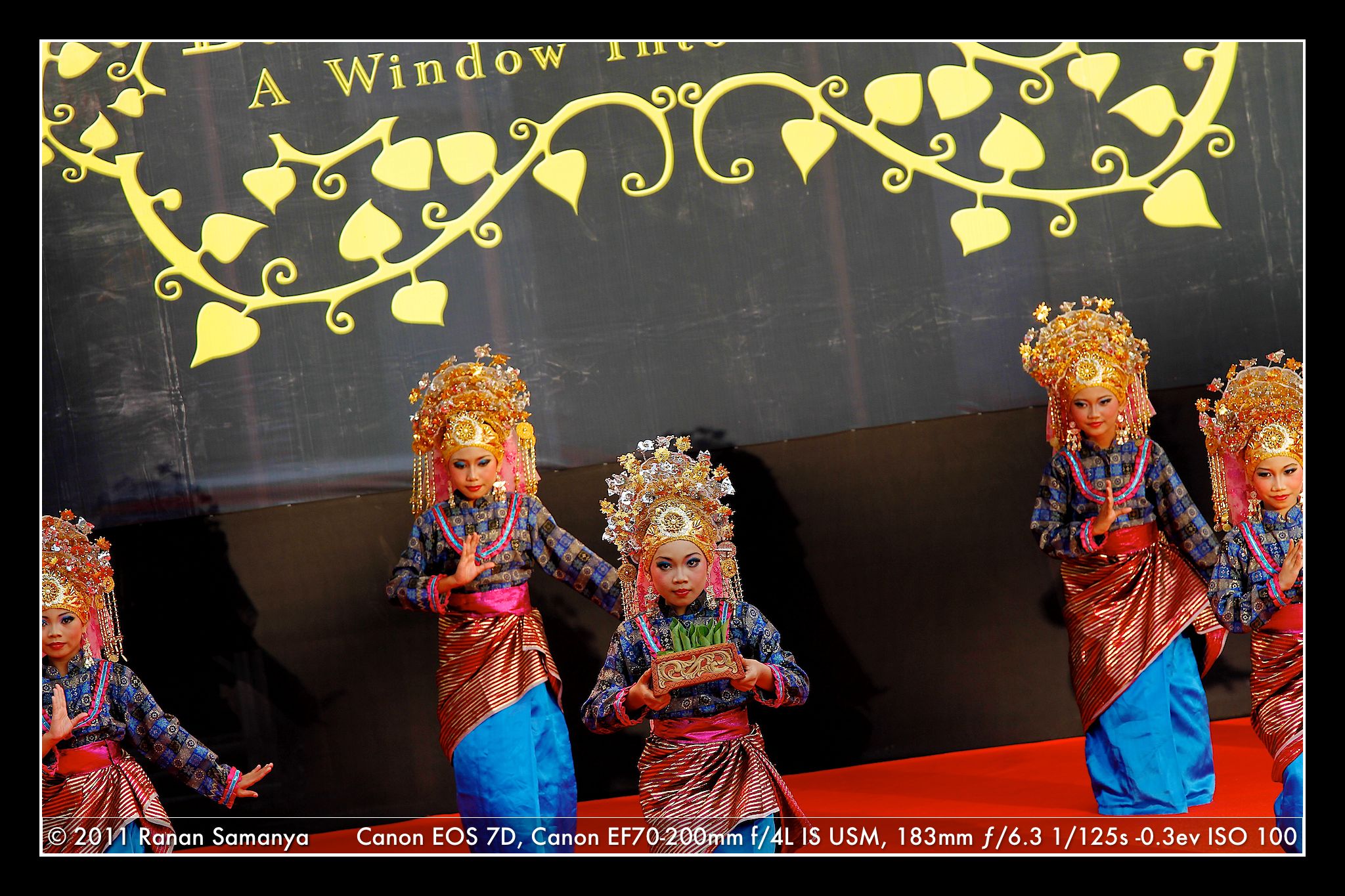
This was the opening dance for Bintan Cultural Festival 2011, and it couldn’t be better. Performed by school-girls from Kijang, East Bintan, it was done in an almost perfect harmony among these young dancers. it was, by far, the best performance of the opening ceremony. And I’m totally in love with the whole outfit!
Sekapur Sirih is a welcoming dance in Riau, used to open events. At the end of the dance guests of honor are given sirih (betel) leaves to chew, as a token of hospitality.



 Ranan Samanya Photography
You must be logged in to post a comment.